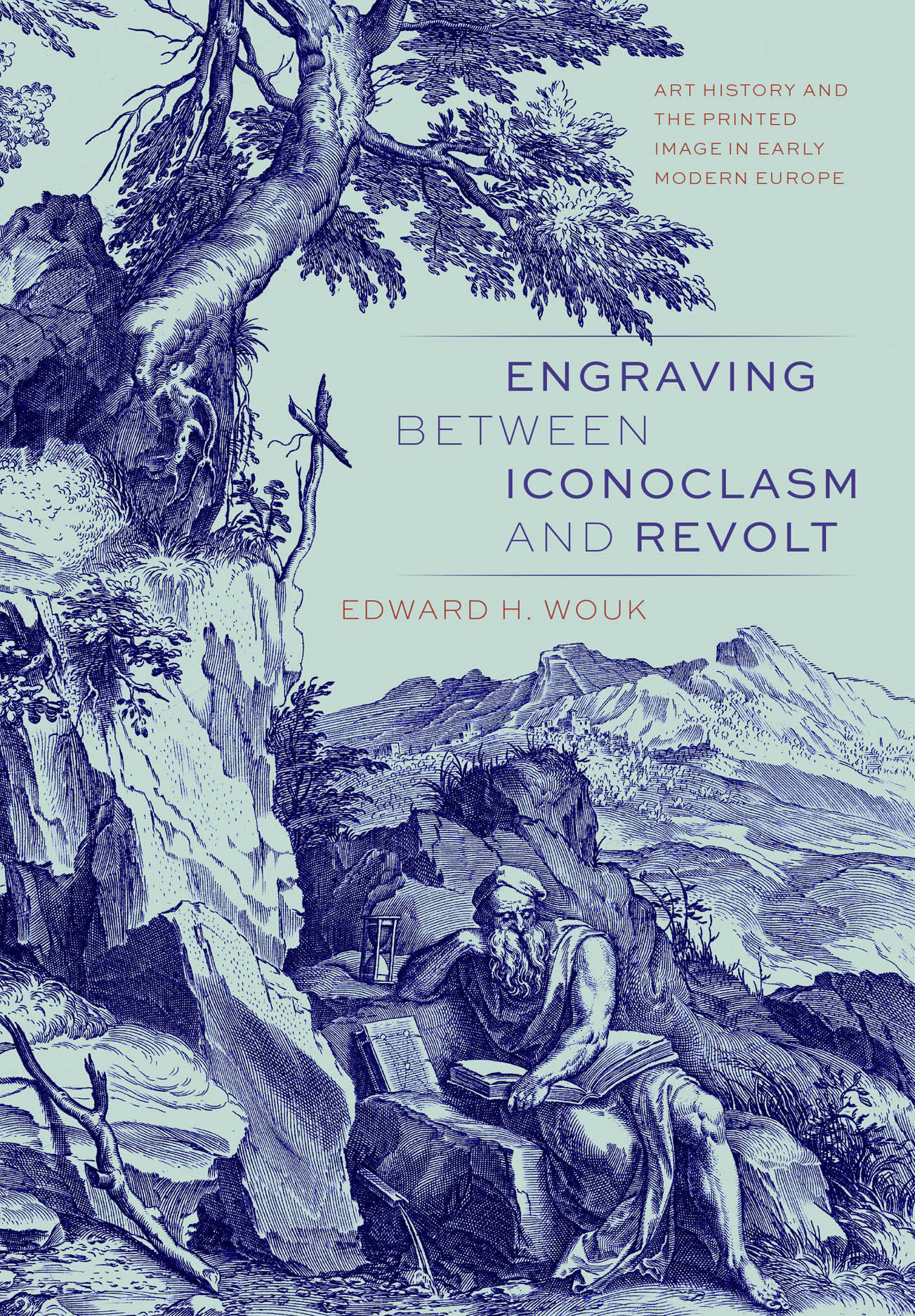
Engraving Between Iconoclasm and Revolt
Art History and the Printed Image in Early Modern Europe
Engraving Between Iconoclasm and Revolt
Art History and the Printed Image in Early Modern Europe
An alternative history of Renaissance art from a Netherlandish perspective and focusing on printed images.
Through his treatises, letters, and support of printmaking projects, Bruges-born humanist Dominicus Lampsonius (1532–1599) tested the limits of what it meant to be an artist in the early modern period. This book—the first monographic study of Lampsonius to appear in the English language—investigates the convergence of art history, aesthetics, cultural politics, and theology in Lampsonius’s writings, with a particular focus on his novel theory of the printed image as a work of art.
In Lampsonius’s art history, painting recedes and engraving comes to the fore. This inversion of traditional hierarchies entailed a remaking of the Renaissance image as a graphic and replicable phenomenon. Here was a new way of looking at the image: not as a painted likeness of the sacred or the world, but rather as a graphic representation formed from the attenuated patterns of the engraved surface. In both meaning and making, printed images deflected the threats of iconoclasm precisely because, as manufactured objects, they could never be confused for what they represented—the sacred “prototype” they explicitly did not resemble. Tracing Lampsonius’s evolving views against the religious, political, and cultural upheaval of the Dutch Revolt, Edward H. Wouk considers the lasting implications of his efforts to change the course of art history.
472 pages | 25 color plates, 84 halftones | 7 x 10
Art: Art--General Studies, European Art
History: European History

Table of Contents
Author’s Note
Introduction: The Printed Image Between Iconoclasm and Revolt
Part I. Making Art History in the Netherlands
1. Letters to Vasari: The Print in the History of Art
2. From Painting to Print: Forging a Netherlandish Art History
3. A Portrait of the Netherlandish Artist: The Life of Lambert Lombard (1565) and the Effigies (1572)
4. Titian in Print: Fame, Empire, and the Value of Engraving
Part II. Print and the New Religious Image
5. The Sacred Print: Faith in Black and White
6. A New Catholic Art: Giulio Clovio, Michelangelo, and Cornelis Cort
Part III. Visualizing Knowledge and Truth in Print
7. The Epistemic Image: Lipsius, Ortelius, and the Politics of Transmitting Knowledge
8. Illuminating the Rules of Art: Dürer and the Ancients
9. The Instabilities of Print: A Theater of Cruelties
Conclusion: A Monument in Art History
Acknowledgments
Appendix A: Dominicus Lampsonius to Giorgio Vasari
Appendix B: Dominicus Lampsonius to Titian
Appendix C: Dominicus Lampsonius to Giulio Clovio
Appendix D: Dominicus Lampsonius to Lodovicus Demontiosius (Louis de Montjosieu)
Abbreviations
Notes
Index