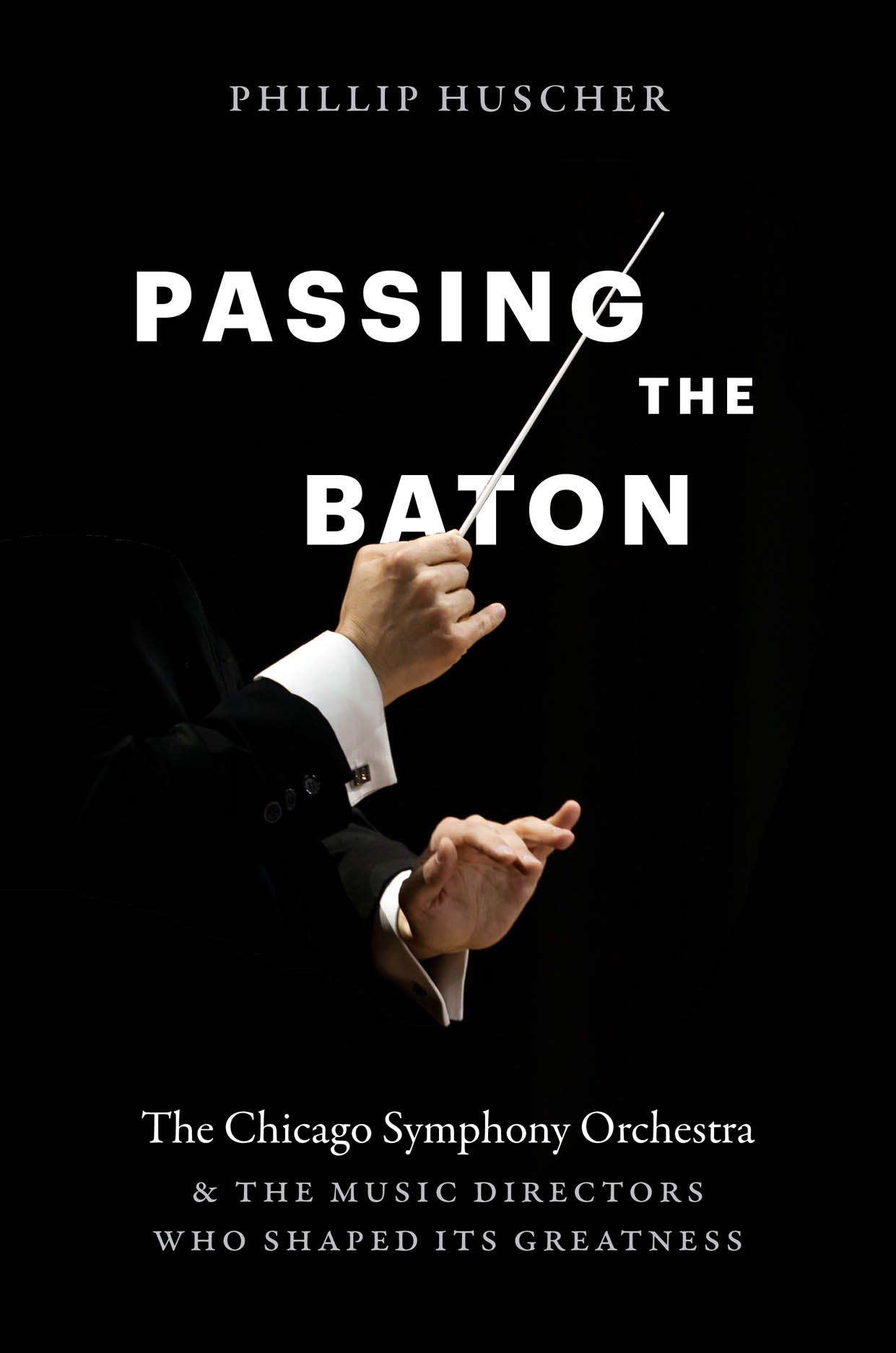
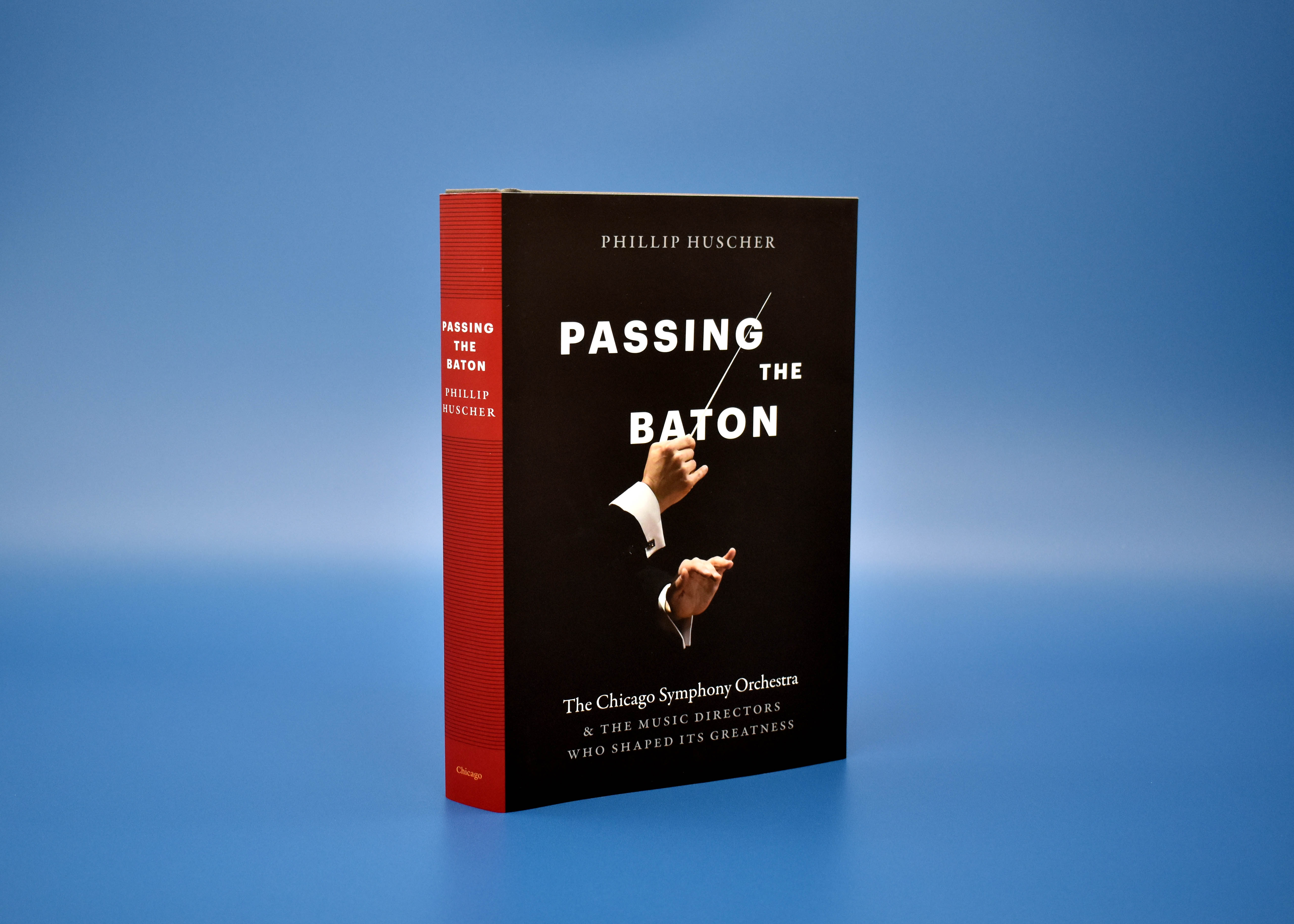
Passing the Baton
The Chicago Symphony Orchestra and the Music Directors Who Shaped Its Greatness
Passing the Baton
The Chicago Symphony Orchestra and the Music Directors Who Shaped Its Greatness
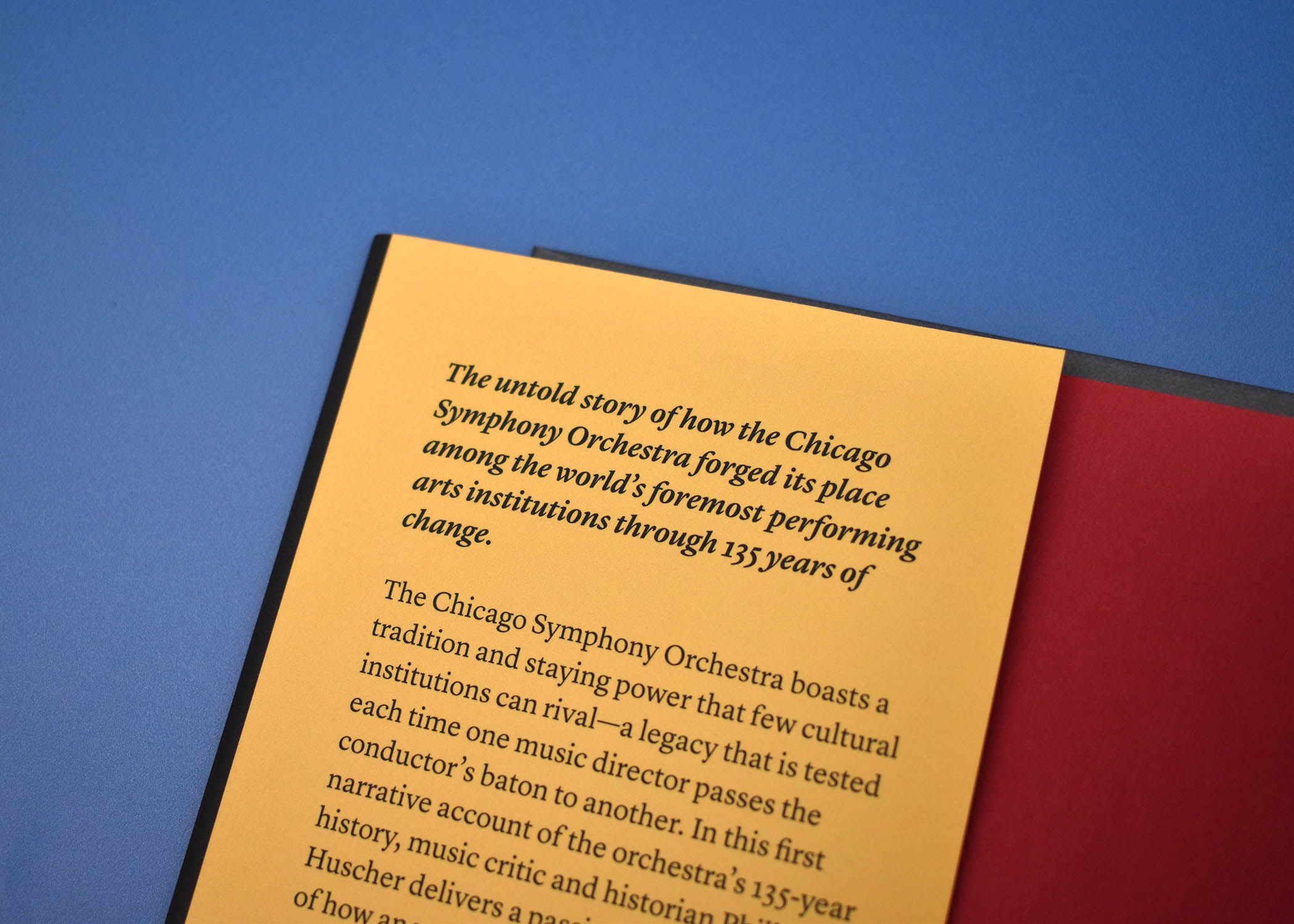
The untold story of how the Chicago Symphony Orchestra forged its place among the world’s foremost performing arts institutions through 135 years of change.
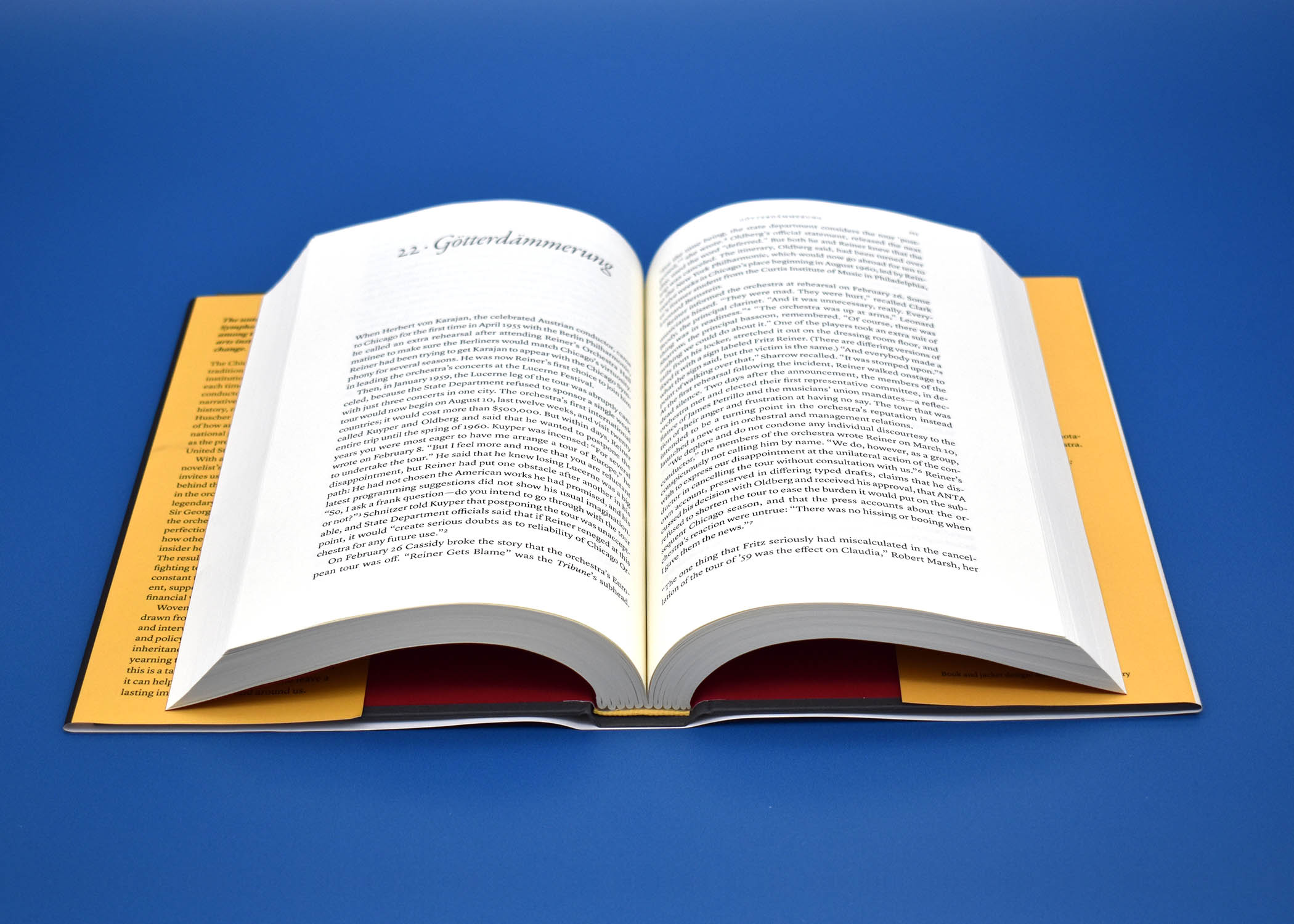
The Chicago Symphony Orchestra boasts a tradition and staying power that few cultural institutions can rival—a legacy that is tested each time one music director passes the conductor’s baton to another. In this first narrative account of the orchestra’s 135-year history, music critic and historian Phillip Huscher delivers a passionate description of how an upstart ensemble rose to international prominence and established itself as the premier symphony orchestra in the United States.
With a scholar’s care for detail and a novelist’s attention to drama, Huscher invites us into the tangled machinations behind the success or failure of each chapter in the orchestra’s storied past. We see how legendary directors such as Fritz Reiner, Sir Georg Solti, and Riccardo Muti carried the orchestra to new heights of technical perfection and sonic brilliance, but also how others provoked public outcry, caved to insider hostility, or fell to cruel press. The result is a vivid portrait of an orchestra fighting to sustain its identity amid the constant contest between past and present, supporters and critics, and artistic and financial vision.
Woven into this saga are personal stories drawn from newly uncovered documents and interviews with players, conductors, and policymakers about the burden of inheritance, the price of ambition, and the yearning to forge a legacy. Taken together, this is a tale about the power of music—how it can help us navigate our lives and leave a lasting impact on the world around us.
Reviews

Table of Contents
Cast of Characters: The Principal Players in the Story of the Chicago Symphony Orchestra
Introduction: Great Expectations
Prologue
Part One: The Power to Dream, 1889–1942
1. Dinner at Delmonico’s
2. The Dream
3. The Song of the Lark
4. Home
5. Death and Transfiguration
6. The Spirit of Music
7. The Pulse of the Public
8. The Dawn of Modernism
9. Americanism
10. A Changed World
11. A Century of Progress
12. The Place of Music
13. The Isle of the Dead
Part Two: Succession, 1942–69
14. The Executioner
15. Vox Populi
16. Taking Sides
17. The Living Presence
18. Talent Is Power
19. The Turning Point
20. The Bottomless Well of Beauty
21. The European Agenda
22. Götterdämmerung
23. Links in the Chain
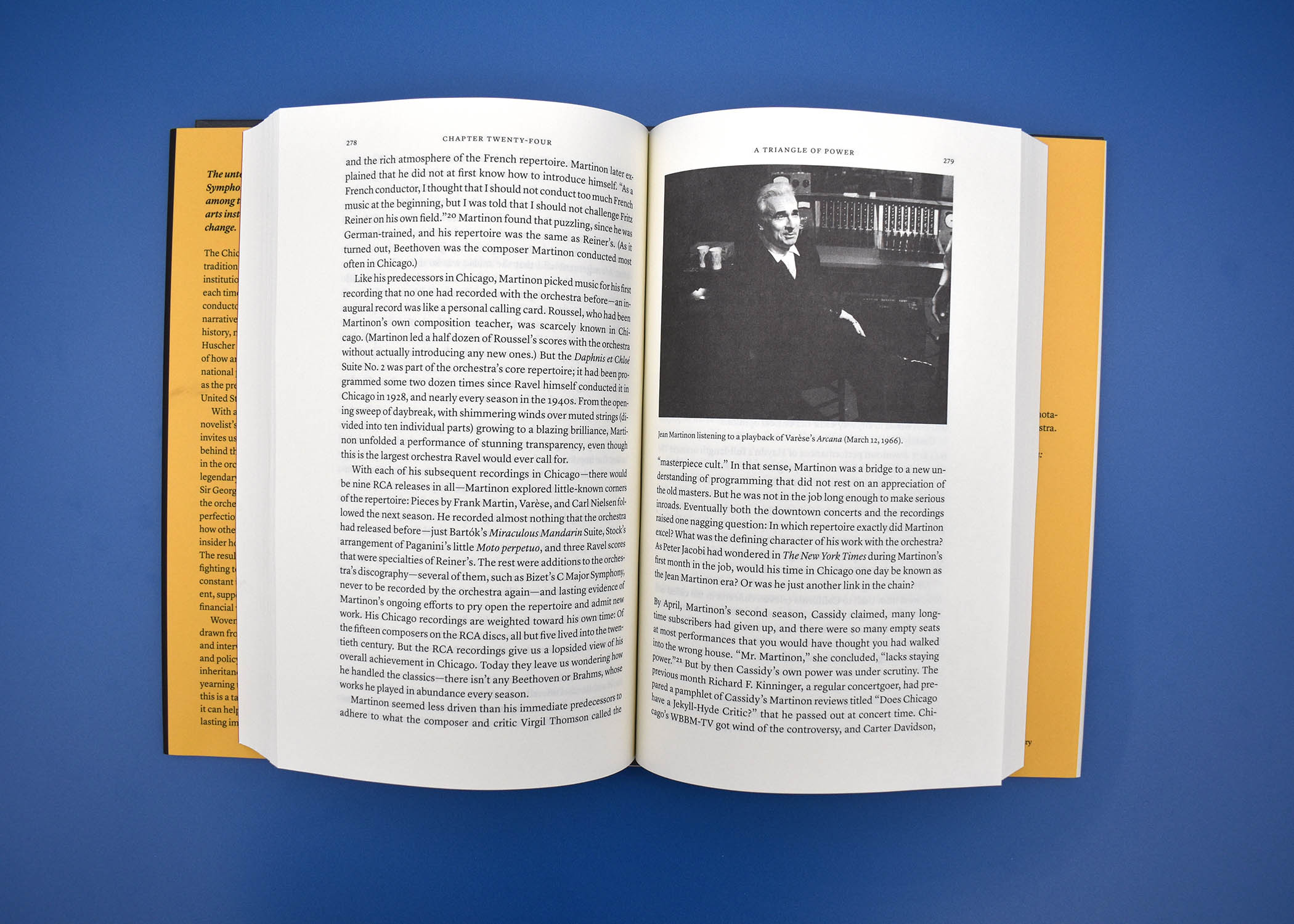
24. A Triangle of Power
25. Limits of Authority
26. Testimony
27. The Politics of Courtship
Part Three: Staying Power, 1969–
28. Ovation
29. Riding High
30. Celebrity
31. The Handoff
32. Ambition
33. Absolute Power
34. Intermezzo
35. Beginnings and Endings
36. Maestro
Epilogue: A New Chapter
Acknowledgments
Illustration Credits
Abbreviations Used in the Notes
Notes
Index
Excerpt
The untold story of how the Chicago Symphony Orchestra forged its place among the world’s foremost performing arts institutions through 135 years of change.
The Chicago Symphony Orchestra boasts a tradition and staying power that few cultural institutions can rival—a legacy that is tested each time one music director passes the conductor’s baton to another. In this first narrative account of the orchestra’s 135-year history, music critic and historian Phillip Huscher delivers a passionate description of how an upstart ensemble rose to international prominence and established itself as the premier symphony orchestra in the United States.
With a scholar’s care for detail and a novelist’s attention to drama, Huscher invites us into the tangled machinations behind the success or failure of each chapter in the orchestra’s storied past. We see how legendary directors such as Fritz Reiner, Sir Georg Solti, and Riccardo Muti carried the orchestra to new heights of technical perfection and sonic brilliance but also how others provoked public outcry, caved to insider hostility, or fell to cruel press. The result is a vivid portrait of an orchestra fighting to sustain its identity amid the constant contest between past and present, supporters and critics, and artistic and financial vision.
Woven into this saga are personal stories drawn from newly uncovered documents and interviews with players, conductors, and policymakers about the burden of inheritance, the price of ambition, and the yearning to forge a legacy. Taken together, this is a tale about the power of music—how it can help us navigate our lives and leave a lasting impact on the world around us.
Author Events
Phillip Huscher will read from and discuss Passing the Baton at the Seminary Coop
Phillip Huscher will read from and discuss Passing the Baton at the Seminary Coop.
Seminary Coop Bookstore
5751 South University Avenue
Chicago