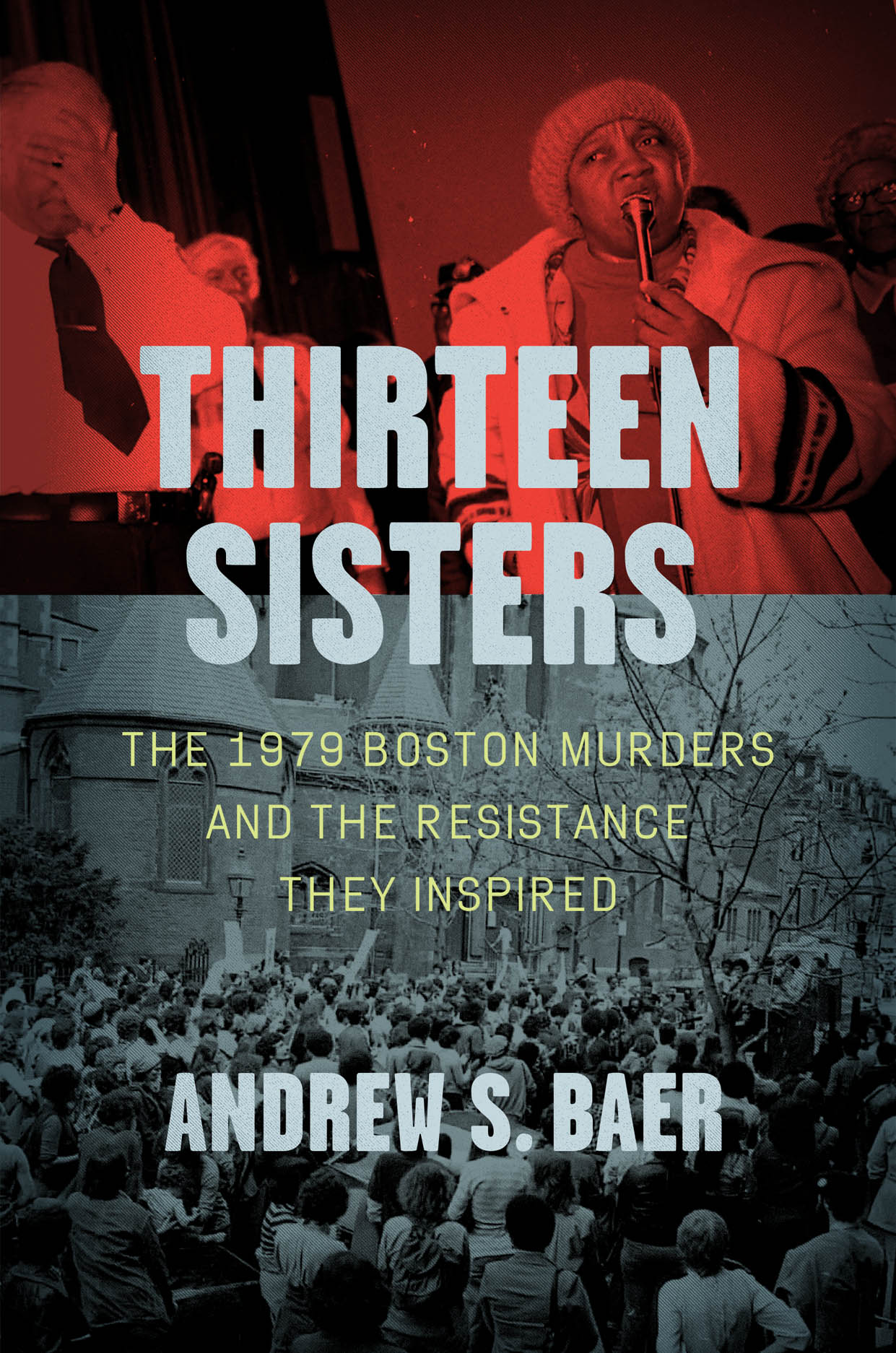
Thirteen Sisters
The 1979 Boston Murders and the Resistance They Inspired
Thirteen Sisters
The 1979 Boston Murders and the Resistance They Inspired
The murder of thirteen women and girls in 1979 and the social movement they launched.
In four terrifying months in 1979, thirteen women and girls—twelve Black, one white—were murdered in Boston. All were found in or near Roxbury, a predominantly Black neighborhood in a city famously beset by racial strife and division. Fears of a serial killer spread within Black communities. But the authorities wouldn’t hear of it: these were just ordinary, everyday murders of unimportant people, killed by men they knew. The police said Black residents had nothing to fear—and the media implied that white people could safely ignore the carnage.
Yet Black feminists refused to accept the murders of Black women and girls. The real serial killers, they argued, were chronic racism, sexism, poverty, and domestic violence, including violence committed by Black men. Something had to be done.
Thirteen Sisters tells the gripping stories of the women who died—their lives, their brutal deaths, the attempts to solve them—and the renowned Combahee River Collective, whose activism in the wake of the murders brought national attention to the overlapping oppressions that made Black women and girls so vulnerable to violence. Historian Andrew S. Baer interviews family members and activists to introduce readers to the victims as complete people and investigate the events surrounding their deaths, unspooling a fast-paced and urgent narrative about crime, race, and marginalization. Baer also pays tribute to the Black feminists who saw the social roots of this violence and called for radical change, demands that remain all too relevant today.
Riveting, enraging, and humane, Thirteen Sisters is an indictment of the neglectful institutions that have failed Black women and a testament to the activists who transformed how we understand systemic oppression.
Reviews

Table of Contents
Prologue
Introduction
Part I
1. Found Bodies
2. Christine Ricketts
3. Andrea Foye
4. Back Page News
5. Grooming
6. Life and Death in the Combat Zone
7. The First Forty-Eight Hours
8. Yvette Stinson
9. Race and Missing Persons
10. Sing a Black Sister’s Song
11. Caren Prater
Part II
12. The Brighton Rapist
13. Outrage and Fear in Black Communities
14. Dueling Community Meetings
15. Daryal Ann Hargett
16. Murder Victims and Respectability Politics
17. Desiree Etheridge
18. The Combahee River Collective
19. CRISIS
20. The CRISIS Memorial Walk
21. “Why Did They Die?”
Part III
22. Darlene Rogers
23. On Prostitution
24. “Family Trouble”
25. Lois Hood
26. Faye Polner
27. Rally in Beacon Hill
28. Sing a White Sister’s Song
29. The Boston Police Department
30. The Roxbury YMCA Homicide Task Force
31. Valyric Holland
Part IV
32. Sandra Boulware
33. Rudy and Jimmy
34. Jimmy and Sandra
35. Bobbie Jean Graham
36. The Black Maled Streets
37. Telling Tales Out of School
38. Lillie Mae Nesbitt
39. Fighting Back
40. The Perpetrators
Epilogue
Acknowledgments
Source Abbreviations
Notes
Bibliography
Index