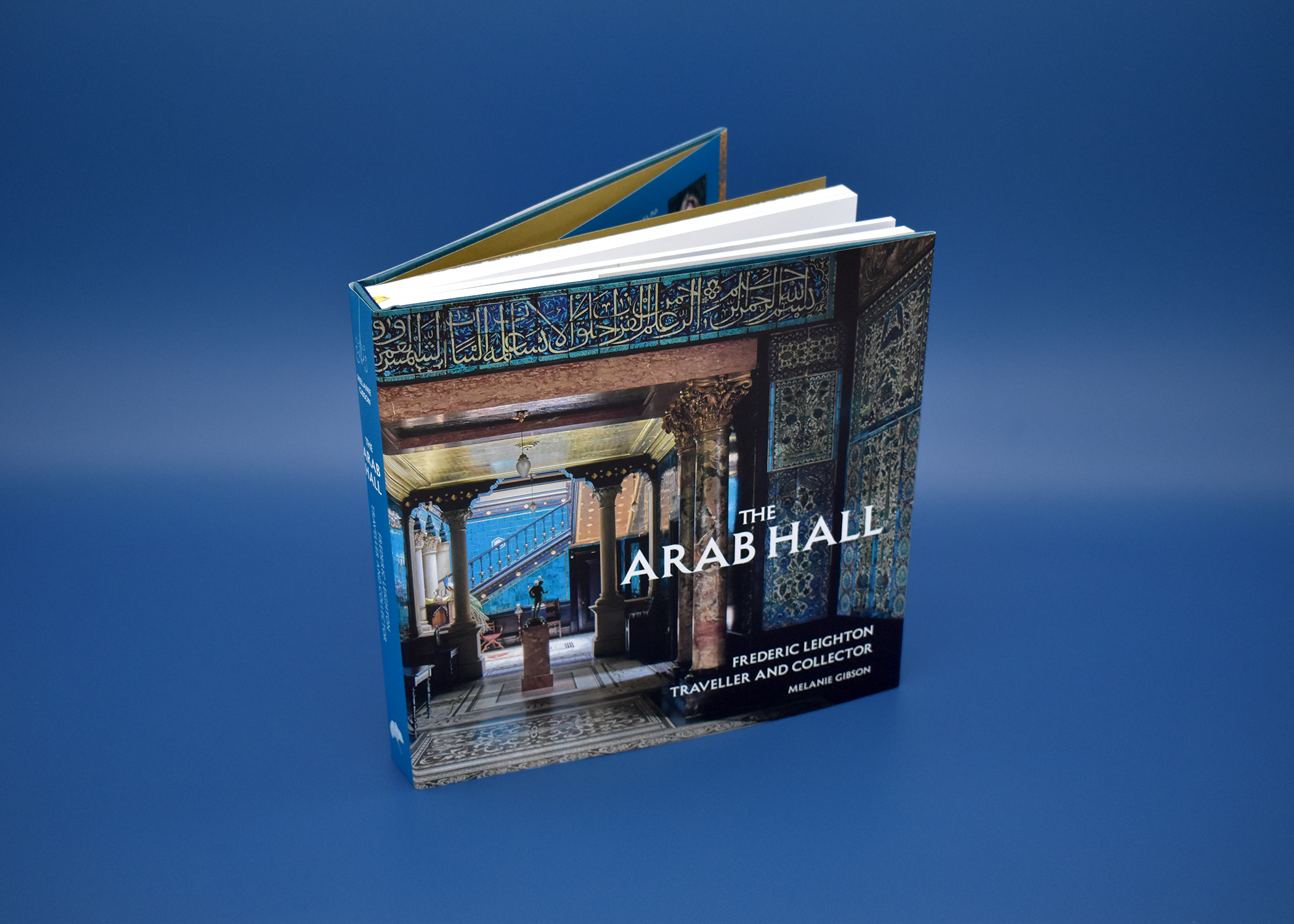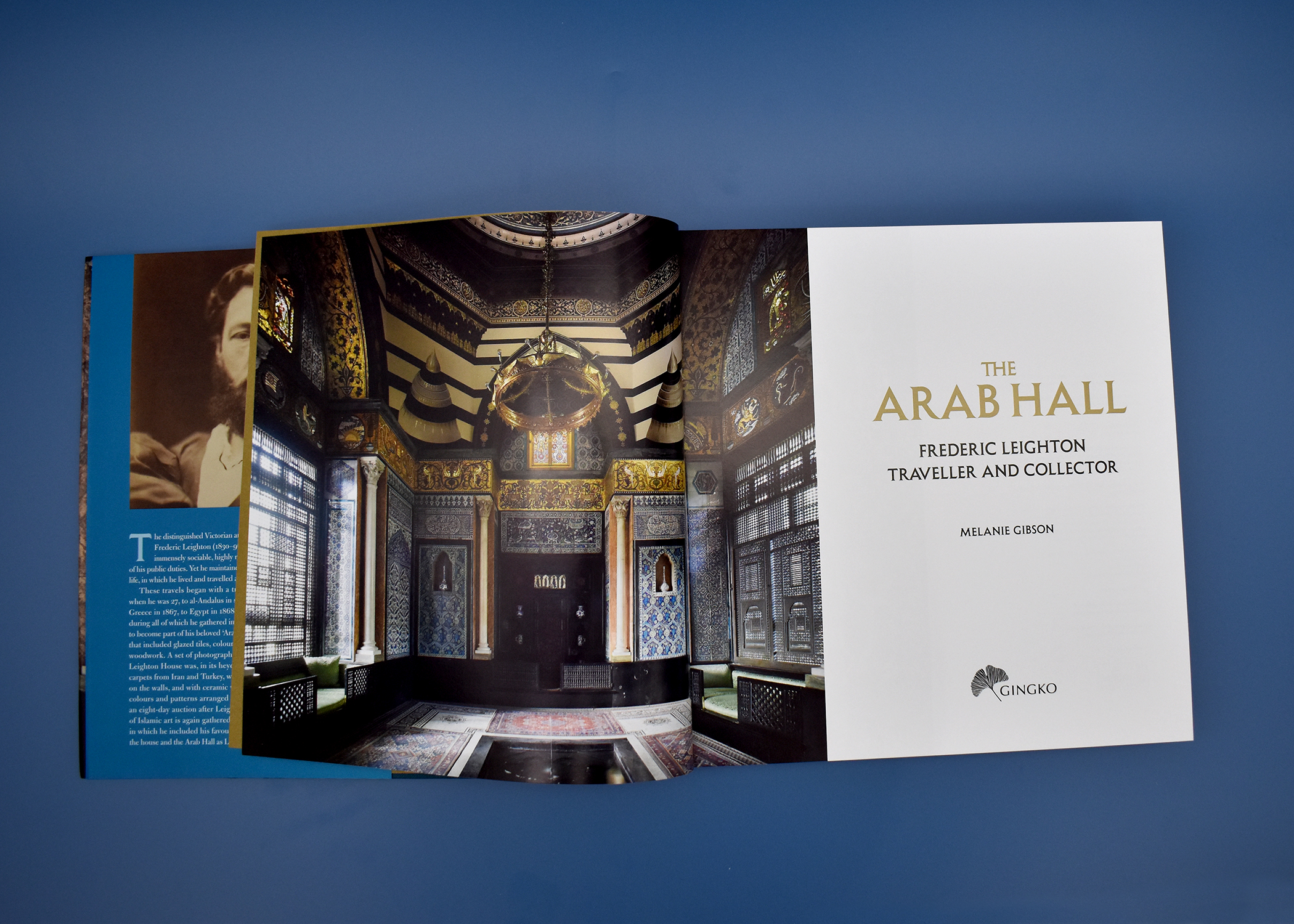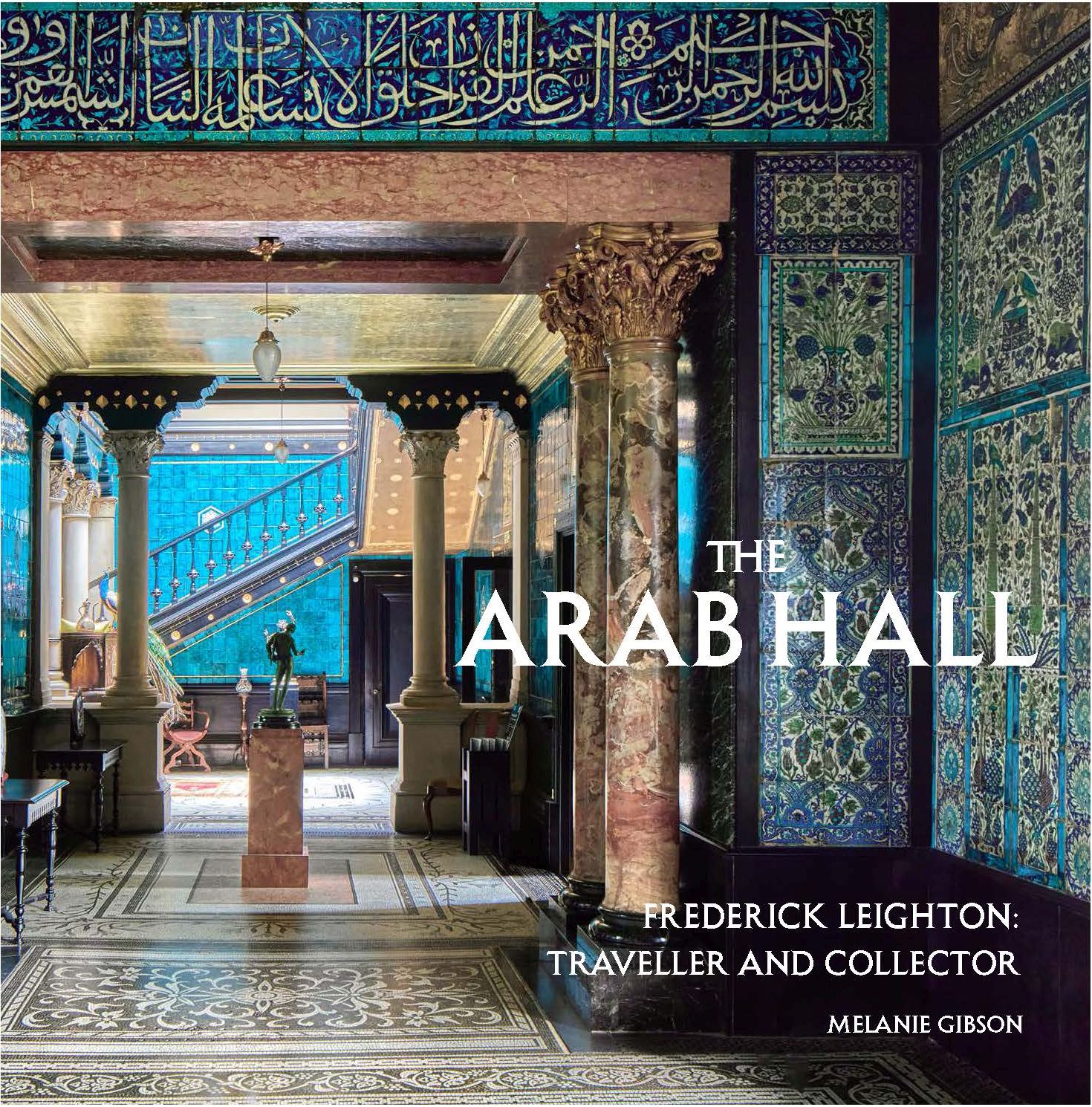
An account of the making of the Arab Hall at Leighton House, the “most beautiful room in London,” and an essential volume to understand the influence of the art of the Middle East on Victorian art and interior design in the United Kingdom.
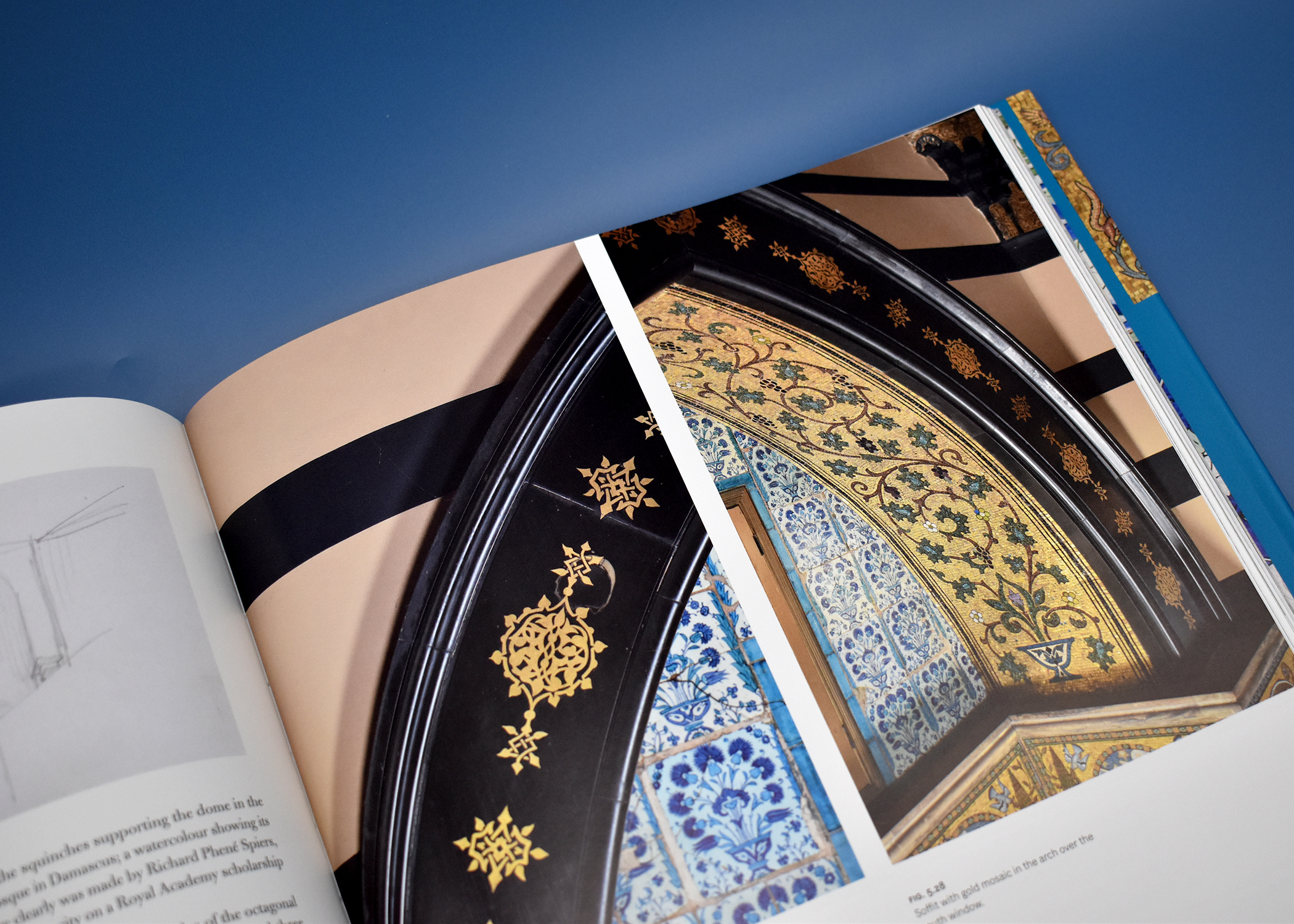
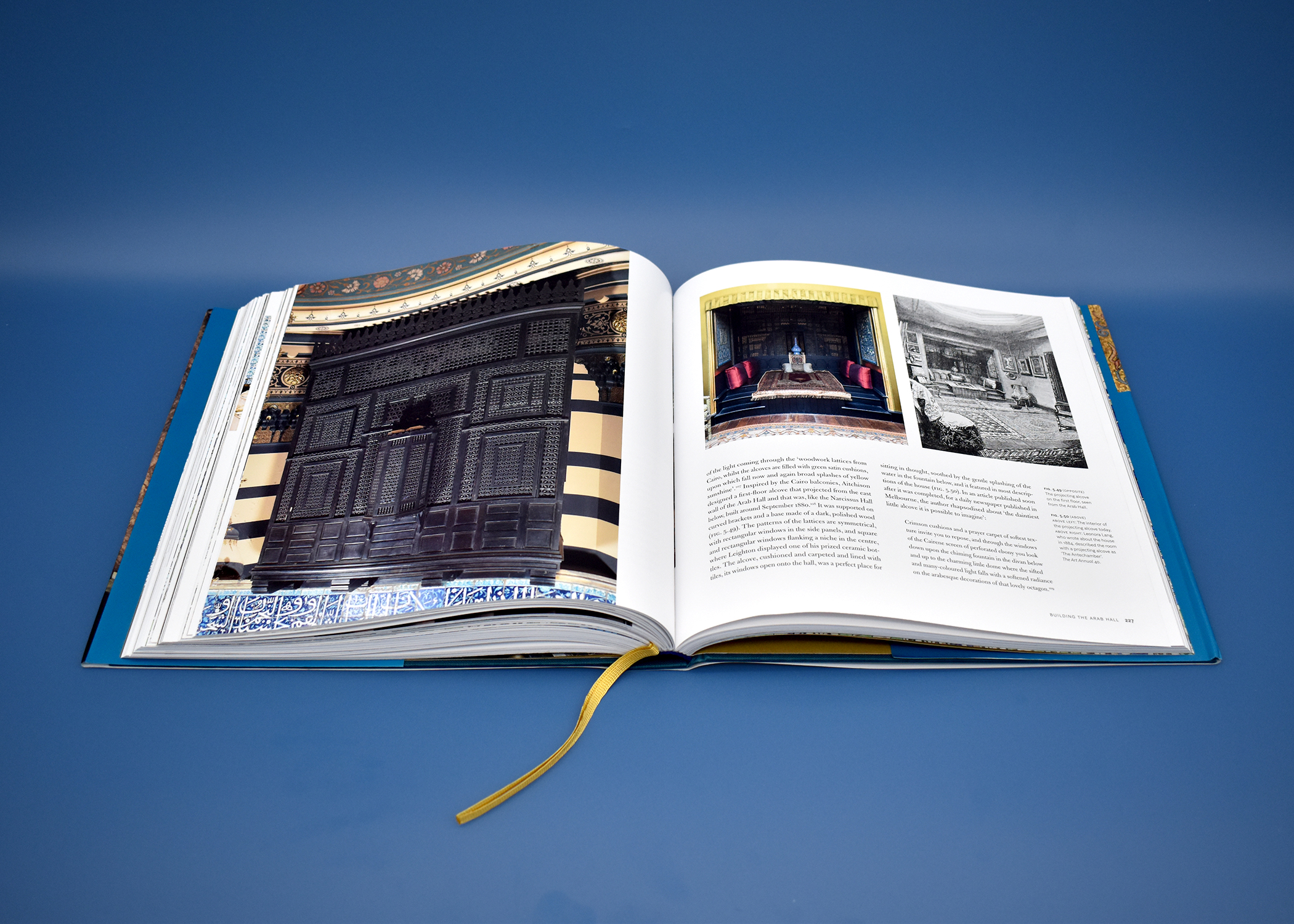
Frederic Leighton (1830-96) was celebrated as one of the most successful and influential artists of his day, and as the creator of some of the most iconic and well-loved paintings of the Victorian era, including Flaming June and Perseus and Andromeda. The house he built in Holland Park was his home, his studio, and his passion. He lavished money and attention on it throughout his life, but its centerpiece was the Arab Hall—the extraordinary suite of spaces on the ground floor of the house that Leighton decorated with a spectacular collection of tiles and ceramics brought back from his travels across the Middle East
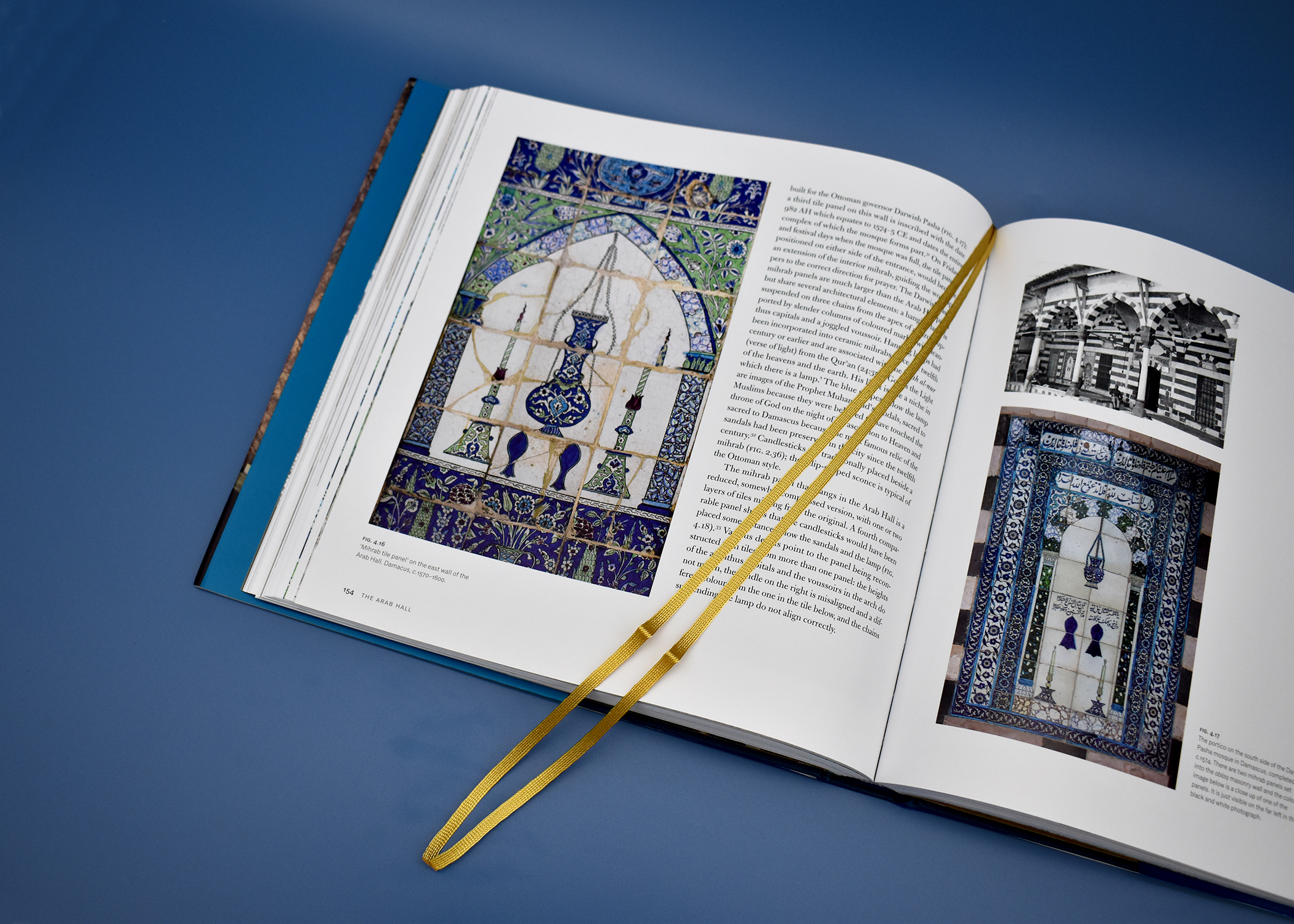
Many books have been written on Frederic Leighton, but this is the first to explore his activities as traveler and collector, uncovering the story of how he traveled, where he stayed, and how he acquired the artworks that went into the making of what has been called “the most beautiful room in London.” This lavishly decorated space, with its golden dome and tiles from Damascus and Iznik, was hailed as an extraordinary creative and artistic triumph from the moment of its first public unveiling in 1881, with one visitor describing it as “quite the eighth wonder of the world.” It continues to astonish, delight, and inspire today.
The Arab Hall details the history of these rooms and the role played in their creation by such figures as Leighton’s architect George Aitchison, the ceramicist William De Morgan, and the designer Walter Crane. It also recounts the participation of Owen Jones, interior designer for the Great Exhibition of 1851; Arthur Liberty, founder of the store that still bears his name; and such fascinating extras as the explorer and writer Richard Burton and his wife Isabel, as well as the garden designer Gertrude Jekyll, one of whose earliest commissions was to make cushions for a seat from which Leighton could admire his tiled walls.
This volume also includes a complete translation of the inscriptions in the Arab Hall by Hidaya Abbas, and selections from Leighton’s correspondence with Val Prinsep. It is published to accompany the exhibition The Arab Hall: Past and Present, on view March 21–October 4, 2026, at Leighton House.
312 pages | 220 Colour illustrations | 9.57 x 9.65 | © 2026
Architecture: Architecture--Biography
Art: Middle Eastern, African, and Asian Art
History: General History


Table of Contents
FOREWORD Daniel Robbins 6
ACKNOWLEDGEMENTS Melanie Gibson 7
1. BUILDING A HOUSE IN KENSINGTON 9
2. TRAVELS AROUND THE MEDITERRANEAN 1857–77 25
I: Algeria, Spain, Turkey and Egypt 1857–68 26
II. Syria, Sicily and Spain 1873–77 58
3. MAKING A COLLECTION OF PERSIAN AND ARAB ART 87
4. COLLECTING TILES 139
5. BUILDING THE ARAB HALL 179
6. ‘MY ARAB HALL’ 243
a note about money and place names 262
APPENDIX I:
THE INSCRIPTIONS Hidaya Abbas 264
APPENDIX II:
LETTERS FROM FREDERIC LEIGHTON TO VAL PRINSEP 274
Notes 284
Bibliography 292
Selective Timeline 300
Image Credits 304
Index 305