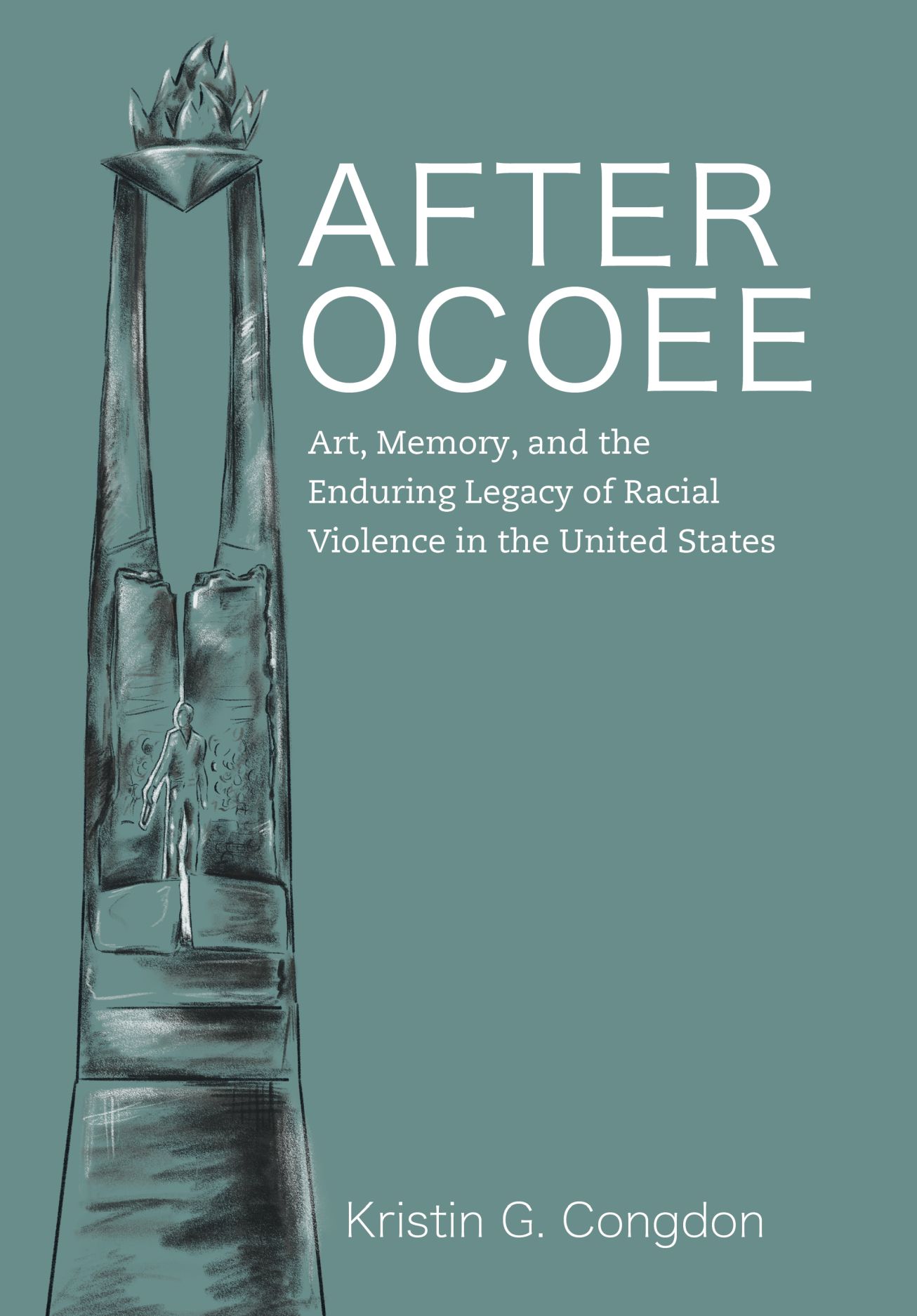
After Ocoee
Art, Memory, and the Enduring Legacy of Racial Violence in the United States
Distributed for Intellect Ltd
After Ocoee
Art, Memory, and the Enduring Legacy of Racial Violence in the United States
After Ocoee: Art, Memory and the Enduring Legacy of Racial Violence in the United States explores the 1920 Ocoee Voting Massacre in Florida and the continuing legacy of racial violence in American life.
On Election Day in 1920, African American residents of Ocoee who attempted to exercise their right to vote were met with violence, displacement, and murder. In the decades that followed, the massacre was largely erased from public memory while its consequences continued to shape the lives of individuals, families, and communities. Beginning with this devastating act of racial terror, this book examines how communities remember, forget, and reclaim difficult histories, and how art, storytelling, and public engagement can help foster truth-telling, reconciliation, and equity. Using Ocoee as a point of departure, it explores the wider history of lynching, racial terror, segregation, and historical injustice in the United States, while also considering the ongoing impact of these histories in the present.
A central concern of After Ocoee is the role of art and visual culture in both creating and challenging racial narratives. The author examines how lynching photographs, postcards, minstrel imagery, and other forms of visual culture contributed to the dehumanization of African Americans and helped sustain a culture of racial violence. At the same time, artists, poets, writers, musicians, filmmakers, educators, and community activists have used creative practice to bear witness, preserve memory, and imagine more just futures. Throughout the book, art is presented not simply as representation but as a means of education, remembrance, and social transformation.
Drawing on historical research, personal experience, and the work of the Alliance for Truth and Justice, the book reflects on efforts to bring the history of the Ocoee Massacre into public consciousness. It considers the importance of truth-telling, proper remembrance, place, justice, imagination, and grace in responding to histories of racial violence. The author argues that understanding the past is not only a matter of historical knowledge but also of collective responsibility, and that communities must engage with difficult histories if they are to move toward reconciliation and a more equitable future.
Written in an accessible and reflective style, After Ocoee will be of interest to readers in African American studies, public history, cultural studies, visual culture, memory studies, social justice studies, and art and art education. It will also appeal to community historians, museum and heritage professionals, artists, educators, activists, and general readers interested in how communities confront historical injustice and work toward healing.
260 pages | 6.69 x 9.61 | © 2027
Art: Art--General Studies
Sociology: Race, Ethnic, and Minority Relations