University of British Columbia Press
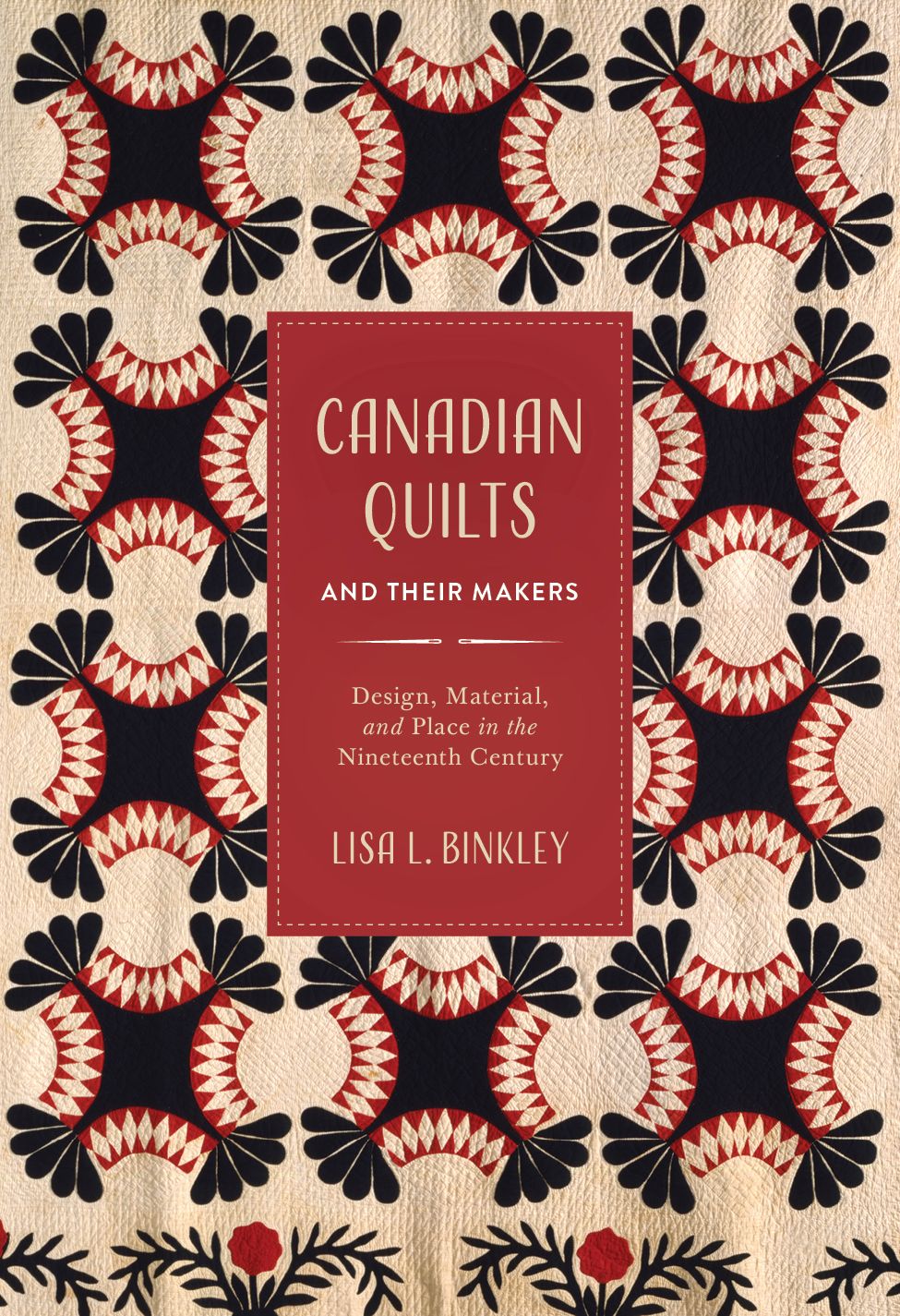
Canadian Quilts and Their Makers
Design, Material, and Place in the Nineteenth Century
Distributed for University of British Columbia Press
Canadian Quilts and Their Makers
Design, Material, and Place in the Nineteenth Century
Explores six distinctive styles to show how nineteenth-century quilts reflected the experiences and identities of the women who made them.
Quilts were a necessity in the nineteenth-century Canadian home, especially during frigid winters. Yet, beyond their obvious practicality, handmade quilts were personal expressions of creativity and identity. Lisa L. Binkley analyzes six styles of quilt—homespun-utilitarian, embroidered, wholecloth, appliqué, decorative-utilitarian, and crazy—commonly made by women from the Great Lakes to the Maritimes between 1810 and 1880.
The textiles and methods employed demonstrate how their makers adapted to broader changes in society, including better access to a wide array of materials, accessible print media, and less strenuous working conditions in the home. Despite social constrictions on women in the period, the quilts they made and exchanged reveal fascinating, nuanced ideas about necessity, color, design, and even the political environment.
264 pages | 70 halftones, 2 maps, 2 figures, 3 tables | 6.5 x 9.5 | © 2026
Art: Canadian Art
History: General History