Distributed for Bodleian Library Publishing
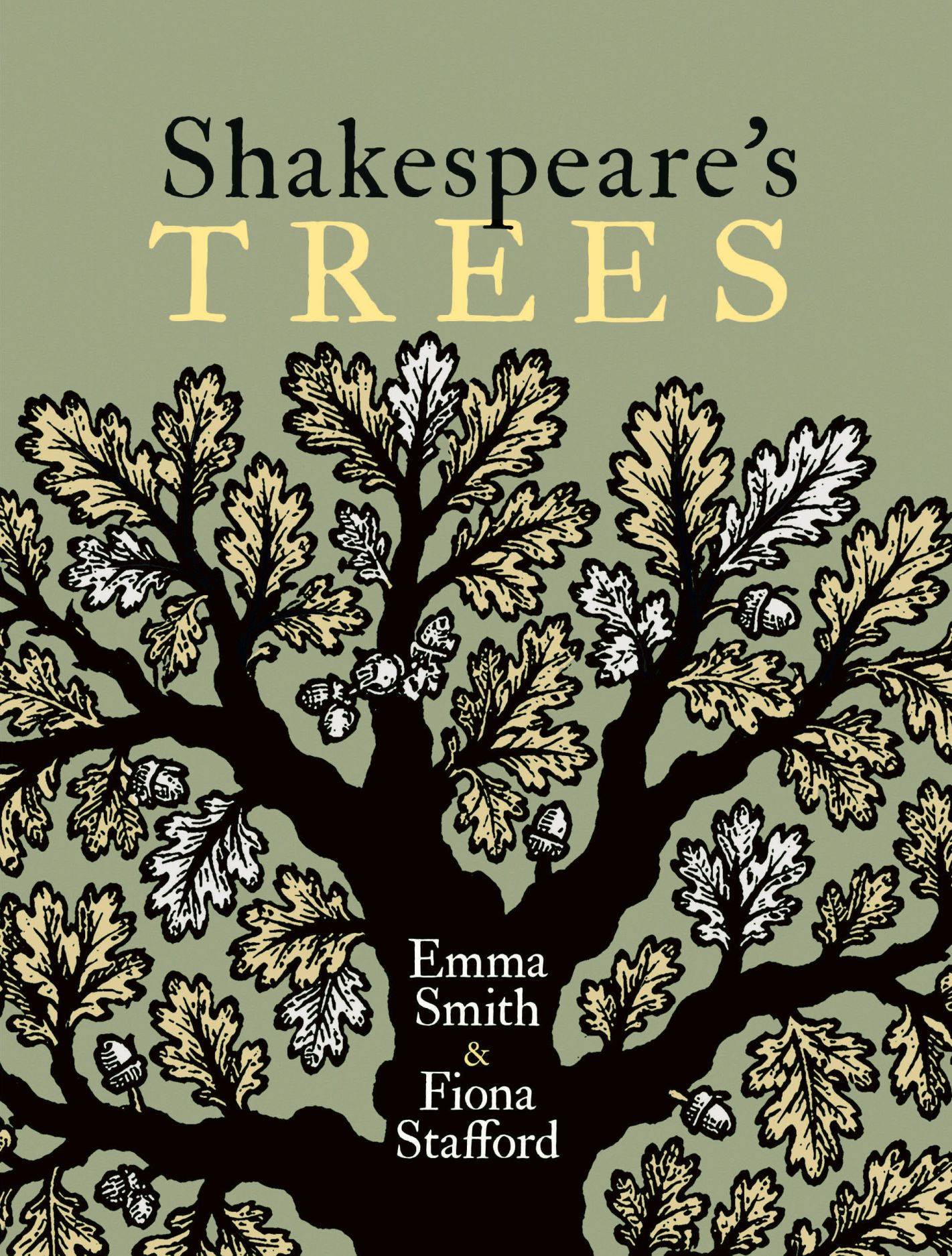
Shakespeare’s Trees
By exploring the role of trees in Shakespeare’s plays and Tudor England, this book provides a new way of understanding Shakespeare in the light of contemporary environmental concerns.
The English oak, the cedars of Lebanon, Ophelia’s willow, Cleopatra’s fig: trees are a living presence in Shakespeare’s landscapes and his imagination. From stage props to metaphors, and from the familiar to the mythical, trees connect Shakespeare and audiences across time to his physical and mental environment. In this book, the Forest of Arden, the wood outside Athens, Justice Shallow’s orchard, and the moving wood of Birnam in Macbeth are situated in the fascinating historical contexts of elite game parks, the timber economy, forestry, fruit-growing, ownership, and stewardship. The great “wooden O” of Shakespeare’s theater is itself part of a city reliant on timber and an increasingly industrial and consumerist society. In exploring the place of trees in Shakespeare’s imagination and Tudor England, Shakespeare’s Trees uncovers Elizabethan concerns—wood shortages, deforestation, environmental degradation—which resonate powerfully with our times. This beautifully illustrated book celebrates and unpacks the wide-ranging associations—poetic, historical, horticultural, folkloric, and scientific—of Shakespeare’s trees.


Table of Contents
Introduction: Shakespeare’s Mulberry Tree
Part 1: Individual trees
Oak, Elm, Cedar, Hawthorn (May), Sycamore, Willow, Yew, Apple, Apricot, Nut.
Part 2: Forests, woods, and trees in the landscape
The Forest of Arden, A Wood near Athens, Birnam Wood, Orchard in Elsinore,
The greenwood tree, blossom, canker, felling, planting.
Part 3: The Wooden O, or the uses of timber
The Cross, chapels and choirs, Butts and barrels, wardrobes and chests, beams and boards, ships and wooden walls, writing desks and ink, gallows and gunpowder, tanning and firewood