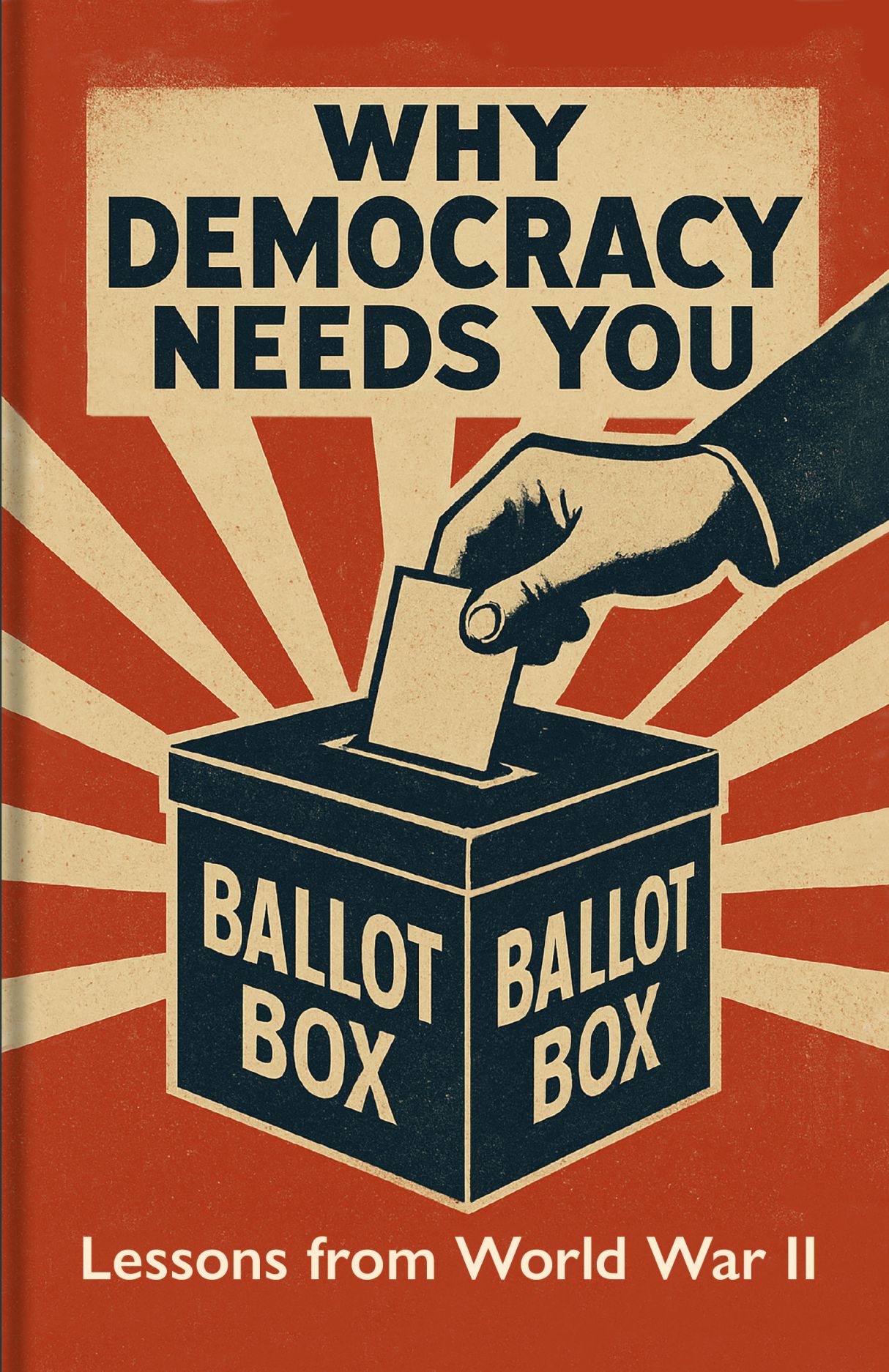
How Britain sought to inspire and empower democratic ideals among their servicemen in the aftermath of World War II.
After the devastating losses suffered by the British army in the early years of World War II, the coalition government was looking for ways to boost the morale of British servicemen. They set up an innovative program designed to educate soldiers on the system of democracy in Britain, firstly to underline what they were fighting to protect and secondly with a view to their participation as citizens in a post-war future.
Why Democracy Needs You brings together highlights from the first two pamphlets published for the program, together with a newly commissioned introduction. These pamphlets brilliantly and critically explain the British constitution and the responsibility that goes with living in a democracy. They are aimed at empowering the future electorate with the means by which to interact with and influence those in government, covering parliamentary structures, methods of debate, and understanding opposing points of view with admirable economy, clarity, and directness. At the same time, they capture optimism for a better future, even in the midst of global conflict, which continues to inspire today.


Table of Contents
What is at Stake
1 . What We Are Fighting Against
2. Democracy must take the offensive
3. The Methods of Democracy
4. The Unfulfilled Promise – Another Chance
5. Dynamic Democracy
Parliamentary Government
1. The Growth of Parliament
2. Parliamentary Government Today
3. The Political Parties
4. The Government at Work
5. Advantages of the British System
6. Some Criticisms of the System
7. The Conditions of Survival
Law and Justice
1. The Rules of Living Together
2. Administering the Law
3. Civil Courts
4. Legal Aid in Civil Cases
5. Criminal Courts
6. Criminal Trials
7. Legal Aid in Criminal Cases
8. Our Safeguards
9. Possible Improvements
Education
1.The Extent
2. The Purpose
3. The State and Education
4. The Schools
5. Possible Improvements
6. General Aims for the Future
The Information Services
1. Public Opinion
2. How the Nazis Influence Public Opinion
3. The British Way
4. The Press
5. Position of the B.B.C.
6. Concerning Censorship
7. Editorial Influence
8. The Reader’s Duty