Distributed for Missouri Historical Society Press
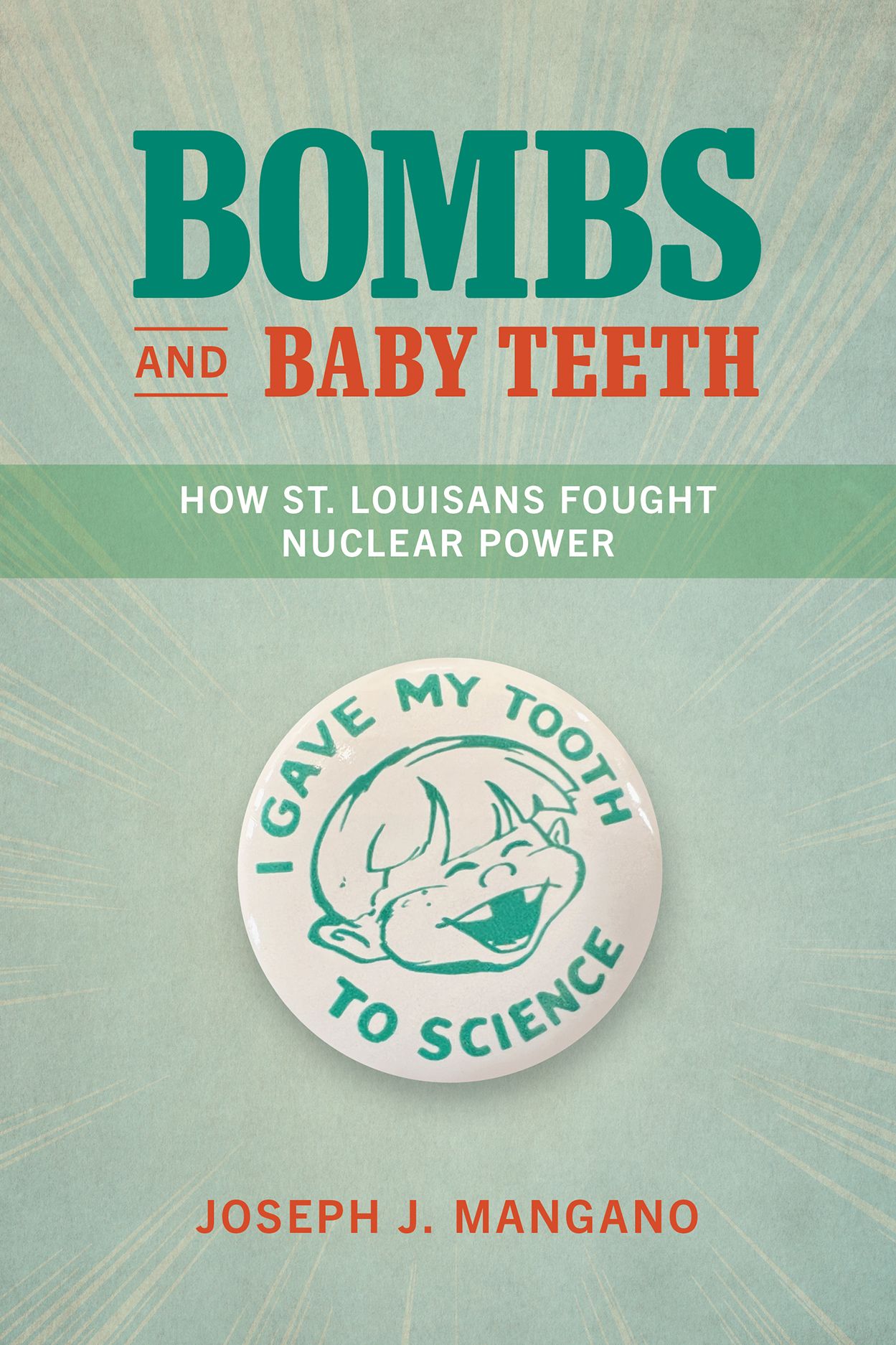
Bombs and Baby Teeth
How St. Louisans Fought Nuclear Power
The first book on the St. Louis baby tooth study, during which St. Louis citizens and scientists worked together to provide data that nuclear fallout is a serious health concern.
From 1958 to 1973, scientists at Washington University and citizens in St. Louis collected more than 320,000 baby teeth and tested them for levels of Strontium-90, a radioactive isotope created only during nuclear fission. Results showed an enormous buildup of fallout in children’s bodies. Ongoing tests helped speed the passage of a treaty outlawing all above-ground nuclear tests, saving countless lives around the world. The baby tooth study was a landmark in citizen-scientist collaboration. Scientists shared their findings in approachable language so that everyday citizens could understand the science behind radioactive fallout and the dangers it might pose to human health.
Although above-ground tests have largely ceased, aging nuclear power plants across the country continue to emit dangerous isotopes—including Sr-90—into the environment. Once again, citizens, scientists, and even celebrities such as Alec Baldwin and Christie Brinkley are raising concerns about the effects of nuclear fallout and urging leaders to take action to mitigate its consequences. More recent tooth-collection and -testing efforts from Long Island to Florida have found that children born near nuclear reactors in the 1980s and 1990s, when reactors were at their peak, have higher rates of cancer. Meanwhile, new technology has enabled more accurate testing of teeth collected decades ago in St. Louis so that scientists can determine if those donors’ later-life health outcomes were affected by nuclear weapons testing.
Recent efforts by the United States, Russia, and China to prepare sites for potential bomb testing give the book—and the tooth study—current relevance. In late 2025, President Donald Trump suggested resuming tests, leading to renewed fears of nuclear fallout and its effects on public health. Time will tell if the lessons learned from the baby tooth study will result in reduced threats of nuclear weapons and reactors—and a healthier society.
256 pages | 37 halftones, 7 tables | 6 x 9 | © 2026
Earth Sciences: Environment
History: Environmental History
Political Science: Public Policy
Reviews

Table of Contents
Introduction
Chapter 1: Origins of the St. Louis Baby Tooth Survey
Chapter 2: World Events Bring Scientists and Citizens Together
Chapter 3: Historic Effort to Collect Baby Teeth
Chapter 4: Baby Tooth Study Emerges amid Cold War Tensions
Chapter 5: Clear Evidence of Fallout Buildup in Bodies
Chapter 6: Analyzing Bomb Fallout Health Hazards
Chapter 7: Nuclear Reactors Inspire More Baby Tooth Studies
Chapter 8: RPHP Takes Tooth Study Results Public
Chapter 9: Tooth Fairy Project Helps Shutter Reactors
Chapter 10: Discovery of More Baby Teeth Gives Study New Life
Chapter 11: First Results of Study’s Second Phase
Chapter 12: Current Relevance of the Baby Tooth Study
Selected Bibliography
Index