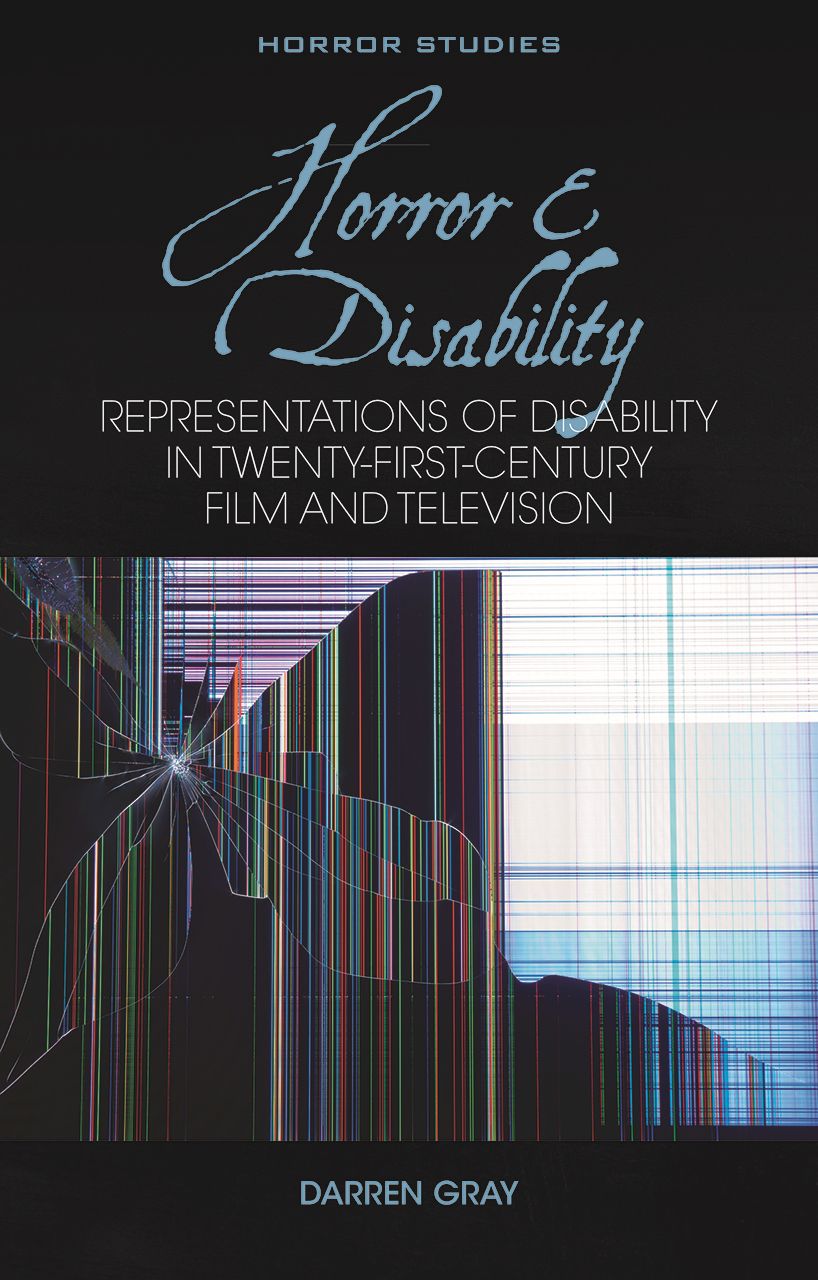
Horror and Disability
Representations of Disability in Twenty-First-Century Film and Television
Distributed for University of Wales Press
Horror and Disability
Representations of Disability in Twenty-First-Century Film and Television
The first comprehensive study to explore disability within twenty-first-century horror films and television.
Using critical theories along with disability and cultural studies, this book examines how horror depicts bodies with mobility impairments, blindness, deafness, neurodiversity, illness, aging, and physical differences, showing how these characteristics are portrayed as monstrous, vulnerable, empowered, or resistant. Moving away from traditional Gothic and freak-show legacies that presented disabled bodies as spectacles or monstrosities for entertainment, this book centers on contemporary screen horror to highlight how disabled characters and creators are reclaiming the genre as a space for agency, visibility, and critique. By prioritizing disabled voices, lived experiences, and evolving disability models, Horror and Disability illustrates how the genre mirrors wider cultural fears about the body while opening new avenues for representation, agency, and solidarity.


Table of Contents
Introduction
A Bit Like a Horror Story
Chapter One
One of Us?: Freak Shows, Disability and the Spectacle of Extraordinary Bodies
Chapter Two
Access Denied: Mobility Impairment, Infantilisation and the Illusion of Care
Chapter Three
Silent Resistance: Horror, Deaf Identities and Visual Languages
Chapter Four
Beyond Sight: Blindness and the Disruption of Ocularnormativity in Horror
Chapter Five
Still Here, Still Matter: The Aging Body and Cultural Invisibility
Conclusion
No Better, No Worse, Just Regular People
End Notes
Bibliography