Distributed for University of Wales Press
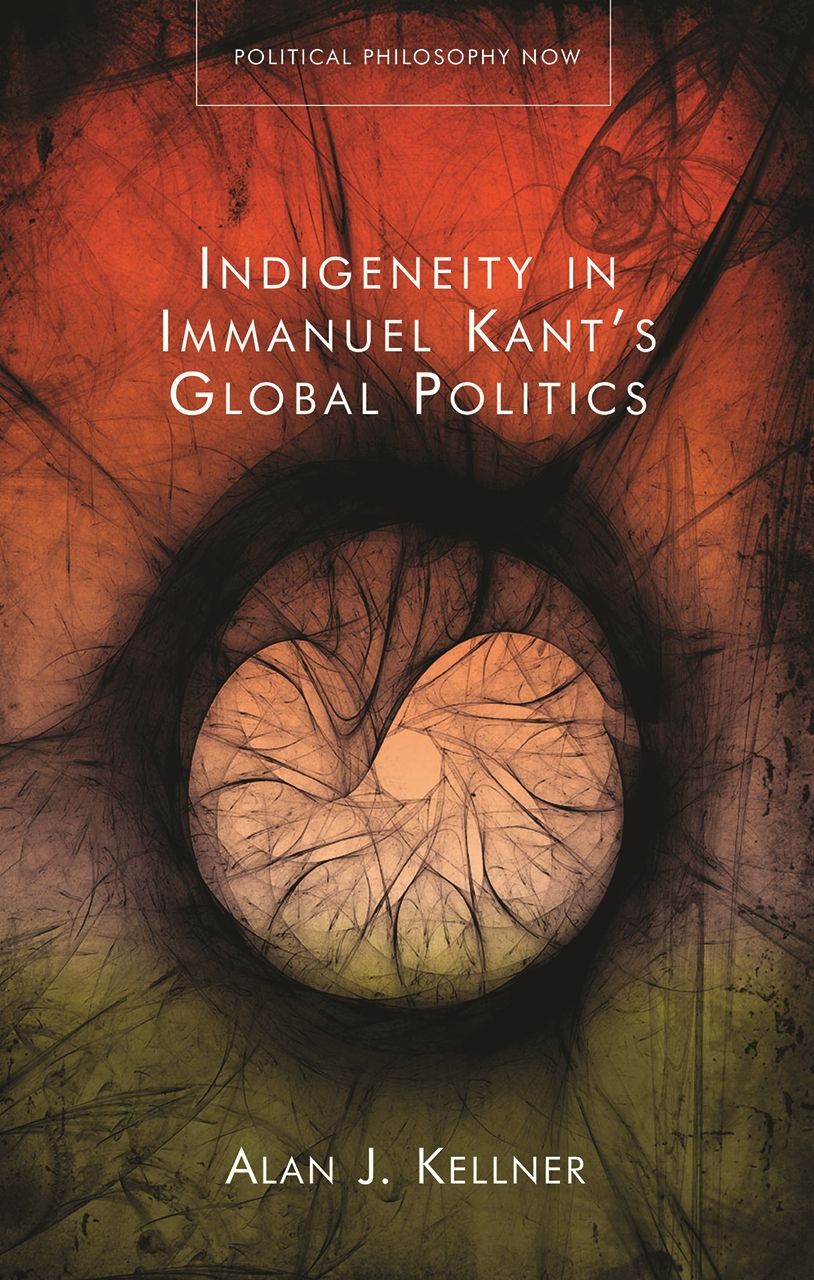
Indigeneity in Immanuel Kant’s Global Politics
Challenges current philosophical trends by reevaluating Immanual Kant’s views on Indigenous peoples.
Immanuel Kant believed in progress. He thought humanity regressed when it passed from nature to civilization. Kant also argued that it is only within civilization that human progress will reach its ultimate aim. How could Kant have thought that humanity is getting better...and worse?
With particular interpretive emphasis placed on Kant’s views about Indigenous peoples, Indigeneity in Immanuel Kant’s Global Politics answers this question. In doing so, it challenges the trend in scholarship to interpret Kant’s political philosophy as anti-colonial and anti-racist. Kant’s ideas are placed in the context of the circulation of travelogues and amidst contemporaries like Herder, his one-time student, and Georg Forster, a travel writer of renown.
This compelling study looks not only to the past but carries Kant’s work into the future by proposing a post-Kantian path for advocating the rights of Indigenous peoples in the international system.
5.43 x 8.5 | © 2027
Philosophy: General Philosophy, Political Philosophy
Political Science: Comparative Politics


Table of Contents
Chapter 1. Introduction
Chapter 2. Shaky Foundation, Rickety Hypotheses: Travelogues as Evidence in Kant and Rousseau
Chapter 3. Kant’s First Thoughts on Race
Chapter 4. The Problem of Civilization and Kant’s Global Politics
Chapter 5. States of Nature in Immanuel Kant’s Doctrine of Right
Chapter 6. Kant’s National Philosophy of History
Chapter 7. Conclusion: Kantian Cosmopolitanism and the UN Declaration on the Rights of Indigenous Peoples