Distributed for University of Wales Press
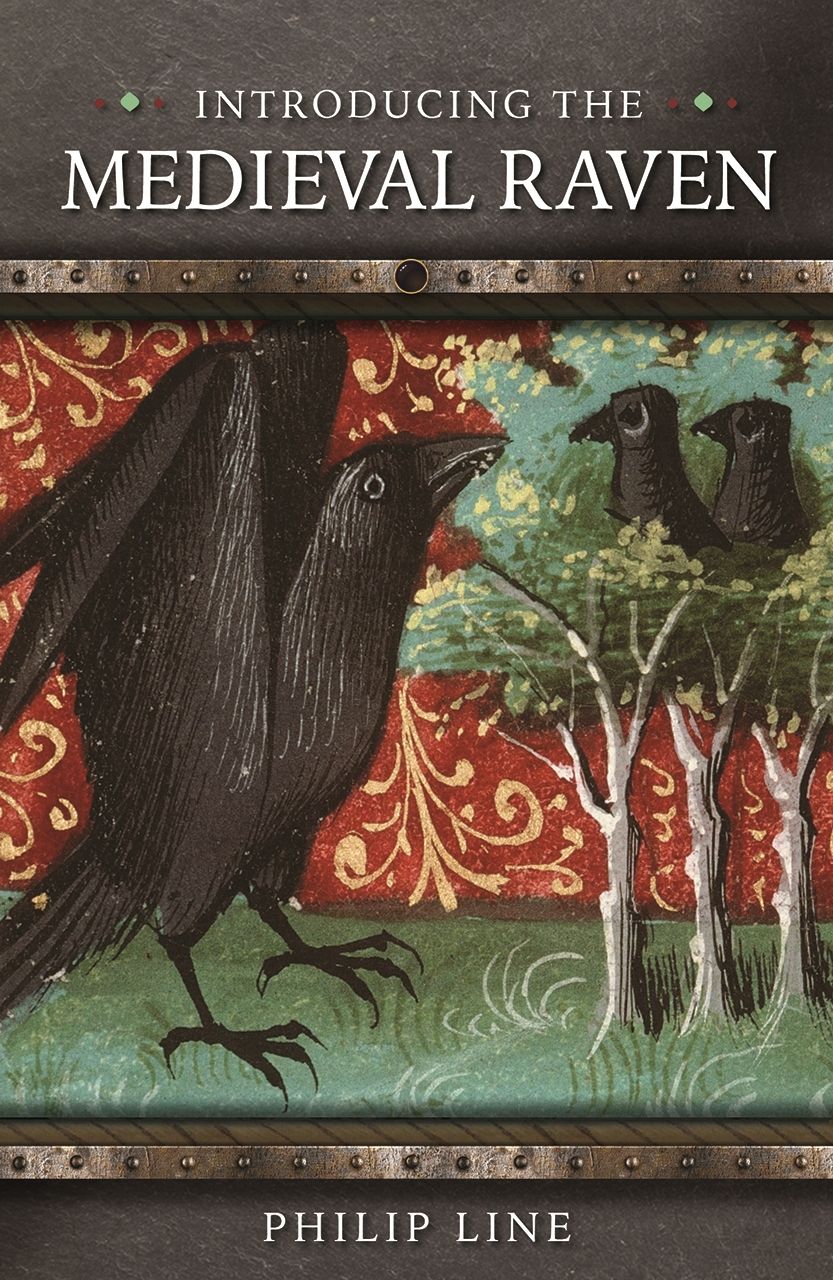
Introducing the Medieval Raven
Provides a comprehensive look into the significance of the raven in medieval European thought and imagination.
To this day, the raven is associated with foreboding, a product of its croaking call, black plumage, and carrion-eating, while its ability to imitate the human voice and its access to the air have caused people to envisage it as a source of prophesies and insight. Introducing the Medieval Raven gives a comprehensive account of the way in which medieval European people represented the raven and its closest relatives, the carrion crow, the rook, and the hooded crow. Although these birds had little economic value to humans, they were well-known; as pointers to moral behavior, their striking appearance and behavior was interpreted in various ways, not always negative, and they appeared in fables, tales, and re-interpreted pre-medieval myths. In these stories, ravens conversed with Valkyries and served as messengers for gods and men, and supernatural beings chose to appear in raven form.


Table of Contents
List of illustrations
Introduction
Corvids among birds, birds among animals
The corvi in scholarly works
Ravens, humans and their environment
Names and voices
The raven as moral exemplar
Ravens and saints
The Germanic raven
The Celtic raven
The raven in high medieval continental art and literature
Postscript
Endnotes
Bibliography
Index