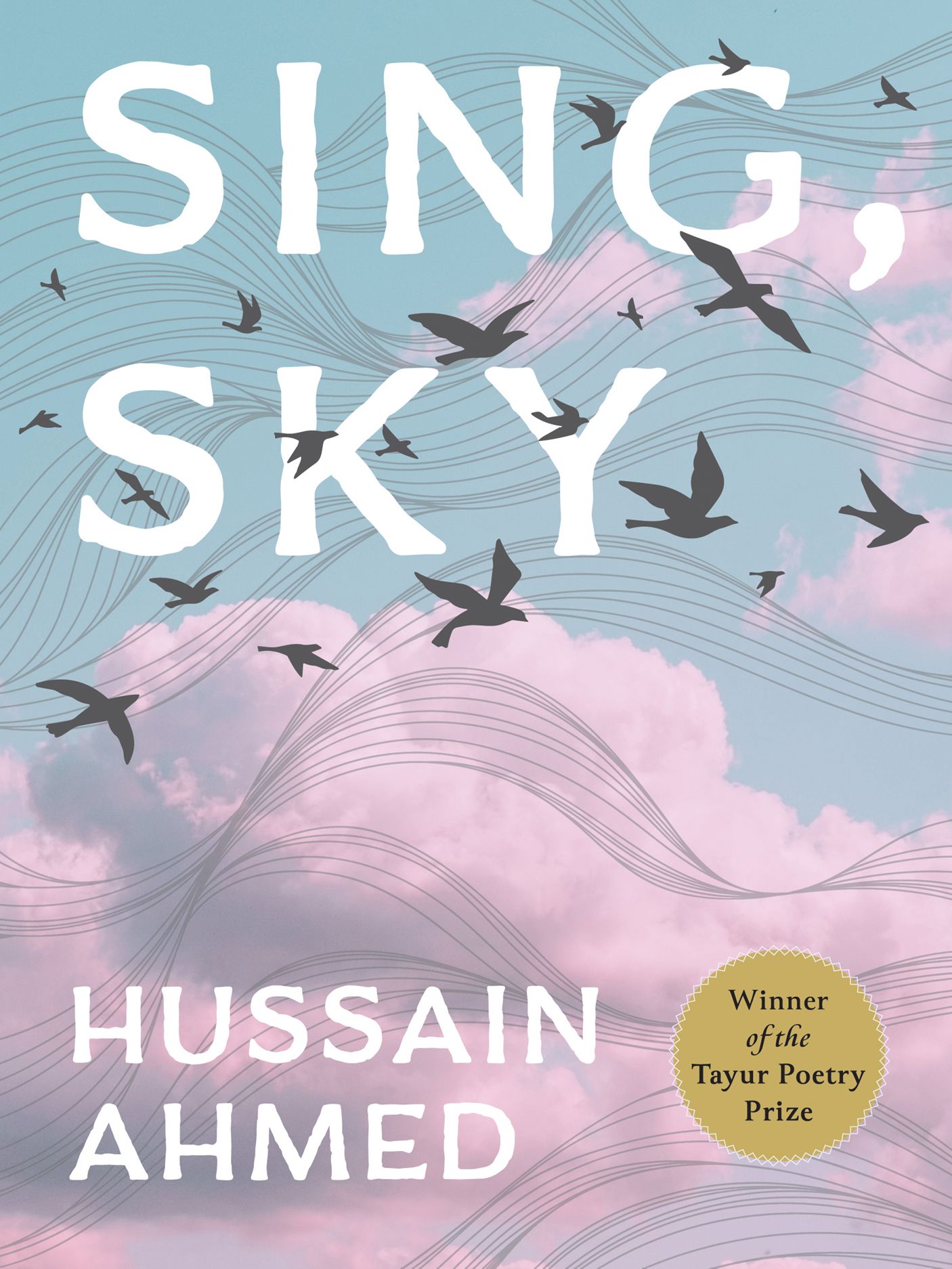
A collection of poems that uses music of the African diaspora to confront the ethical implications of alienhood and name the frustrations of living in an uncertain political climate.

This collection of poems is born out of the necessity to express the position of African migrants fighting for human rights, and to critically highlight the constituted bureaucratic obstacles that deter many immigrants from openly lending their voices to causes they believe in. Instead of discussing the present, the voices in the poems examine protests around Africa and its diaspora, and how they have used music as a porter to stand against oppression and as a tool of protest. Musical artists and bands around the world are reincarnated in these pages, through their songs. They continue to revolt, without losing the sparks that the drums herald. This is achieved through a satirical undertone that documents histories of violence, propagated through democratic institutions in this modern world.


Carnegie Mellon University Press image

View all books from Carnegie Mellon University Press

Reviews

“’I was born in a country of failed experiments,’ writes Hussain Ahmed in his exultant collection, Sing, Sky. ‘Several tongues were collapsed into a flag.’ From a present-day Nigeria riven by sectarian violence to the Kafkaesque immigration offices of our United States, this poet maps a difficult passage through exile, migration, dream, song, and desire. Animated by the artistry of musicians like Noor Al-Jailani, Boubacar Traore, Fada Bege, King Sunny Ade, and many others—and shot through with the resonant poetry of the Yoruban language—Sing, Sky sounds out an ars poetica for the African diaspora: ‘a poem is the smallest unit of a revolution.’ In its tenderness, outrage, hilarity, and wonder, this book reminds us that the poet’s work is forever migrant. ‘I have come to dream the present / back into the past, to the day of a new protest.’”


Srikanth "Chicu" Reddy, professor of English at the University of Chicago and poetry editor for The Paris Review

“Sing, Sky is an assemblage of remedy, a sonic tenet of voices, and an ascension of possibility of the lyric to collapse time, space, and song. Hussain Ahmed applies a tender craft of syntactical prowess and narrative clarity to animate histories, cultures, the dead, the diasporic, and the music from across the Atlantic Ocean and back again to America. Sing, Sky affirms and quells the Brechtian inquiry on the existence of song during the most difficult of times, asking readers, ‘What use is a song if it cures nothing?’ Ahmed imagines and invents a new Yoruba lyric that is as propulsive as it is percussive toward a new liberation of song. Sing, Sky is a poetics that nurtures and reminds readers of the power of language to alchemize until the poet can build a new commons and say, ‘I have since learned to spell magic with my eyes closed in a bid to reimagine this city of wanderers.’ As such, Ahmed’s magic has forged a book that celebrates and widens the circle for past, present, and future to join, to read, and hear a future world of new song.”

Anthony Cody

“’Love has taught me to sing.’ Hussain Ahmed’s electric collection Sing, Sky threads the future into the past through music as lineage, drums as somatic force, and the collective as a powerful conduit of rebellion. These poems cross continents—dreaming of beloveds and homecomings—unsatisfied with ache, unwilling to be consumed by dirge. Amid wars, burning hospitals, dictators, battlefields, drowning wedding guests, libraries ablaze, and violins buried in rubble, there also exists joy burgeoning under the sky: doorways to the moon, homelands, rice straws, highway crows, drums talking, Sobi Hill, waterlilies in wine bottles, archiving dreams, blister beetles, fellowship, roads, radios, riddles, Appaloosas, the Niger River, burnt bread, withered dahlias, watery stories, familiar cities, and unearthed lizard eggs. Ahmed’s poems wonder What sings in the aftermath of war? while drawing blueprints on how ‘a bone is made into an instrument,’ how a body choruses from the inside out. Here, places and people ‘collage mourning songs into anthems.’ Poems commune with musicians such as Àyìnlá Ọmọwúrà, Nina Simone, Fela Aníkúlápó Kuti, Youssou N’Dour, Fada Bege, and King Sunny Adé to ‘offer a song in exchange for this grief.’ Prayer becomes surrender becomes song. ‘What use is a song if it cures nothing?’ Sing, Sky nurses ‘gardens out of wounds,’ refusing to forget how healing begins. To heal is to see the city, the dead, the more-than-human, the self as the prophets and activists do—worthy of fighting for. In Ahmed’s poetry, a drum lives in every ear, ‘a song for every trembling skin.’ Here, even the Abecedarian becomes a revolt. Form collapses into attunement, into permeability, into ecstatic confession. ‘A poem is the smallest unit of a revolution.’ Ahmed boldly wields a poem—like a song— as an instrument of protest. 

Felicia Zamora, author of Murmuration Archives

Be the first to know

Get the latest updates on new releases, special offers, and media highlights when you subscribe to our email lists!

Sign up here for updates about the Press